
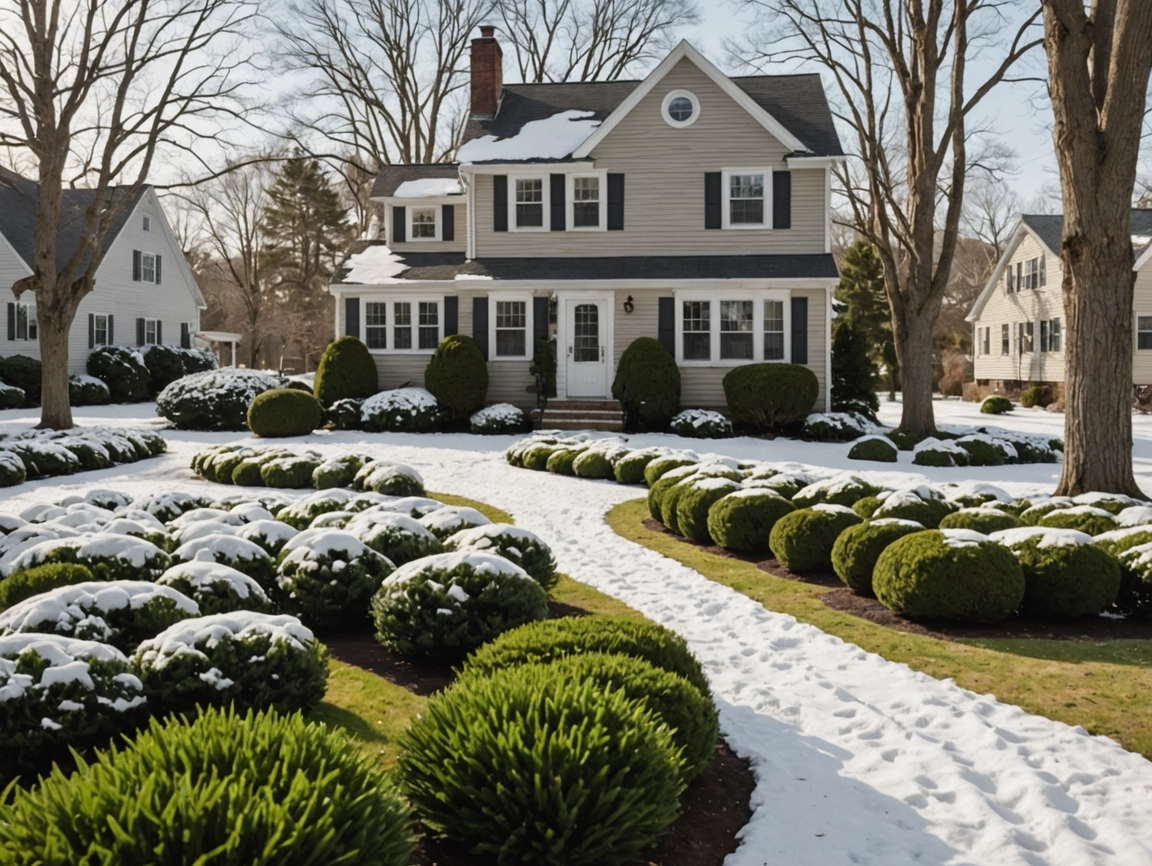
Winter in Long Island can be rough on your landscaping. Between freezing temperatures, strong winds, and occasional snow piles, your yard goes through quite a bit. If you’re not prepared, that damage can show up come spring with dead patches in the lawn, snapped branches, or cracked stonework. Many people don’t realize how much stress cold weather puts on plants and outdoor features until it’s too late. That’s why knowing what to look out for ahead of time makes all the difference.
Living in places like Huntington, where the seasons hit hard, means paying close attention to timing. Late fall is usually your window for most preparations. Waiting too long means reaching frozen ground and missing chances to protect your landscape. Maintaining a healthy yard through winter comes down to early preparation, prevention, and smart upkeep. Let’s look at the steps you can take to keep your outdoor space from taking a beating when temperatures drop.
Preparing Your Landscape For Winter
Getting your landscape ready before the first real snow isn’t just about looks. It’s about protecting your investment and giving everything a stronger start once spring returns. Even though late December can be too late for full prep, it’s helpful to know what should’ve been done and make sure nothing critical was skipped.
Here’s a short checklist for early winter maintenance:
1. Clear away fallen leaves, twigs, and leftover garden debris. This stops mold from setting in and lets your grass breathe better through the colder months.
2. Add mulch around trees, garden beds, and shrubs. Think of it like a blanket that keeps plant roots warm and helps soil hold moisture.
3. Prune your trees and large shrubs before heavy snow hits. Snow builds up fast and can snap weak or dead limbs, which may lead to safety issues or costly replacements.
Even if some of that work slipped through the cracks this year, you can still help your yard recover. Trim any visibly dead branches and touch up the mulch where needed. Bring any potted plants close to the house or under cover to give them extra protection from icy winds.
Think of your shrubs and trees like you would a person going outside without a coat. They may survive, but they’ll show signs of stress when spring arrives. In one Huntington yard, a homeowner skipped pruning before a snowy weekend and ended up with heavy branches bent all the way into the driveway. One simple trim could’ve saved weeks of cleanup.
Protecting Plants And Trees
Plants and trees usually take the brunt of the winter. They’re exposed to howling winds, freezing temperatures, and unpredictable weather shifts. Some more sensitive species can struggle, especially younger plants or ones not naturally suited for Long Island conditions.
Start with burlap wraps for fragile shrubs and evergreens. Burlap is great because it protects plants from wind and snow without trapping too much moisture underneath. It still allows airflow, which helps prevent mold and rot.
For younger trees, wrap the trunks with protective tree wrap. This stops sunscald, a common condition where the winter sun heats one side of the bark, then sudden cold temps cause it to crack. Adding a windbreak, like a temporary screen made from stakes and fabric, also reduces damage in exposed areas.
If the weather is right, you can apply anti-desiccant spray to evergreen leaves. This spray helps slow down drying, which is common during winter freeze-thaw cycles when the roots can’t pull in water fast enough.
Long Island’s coastal winds and back-and-forth temperatures make some of this protection even more necessary. It only takes one cold snap at the wrong time to stunt a plant’s growth or ruin a tree’s shape. These tools give your trees and shrubs a better shot at surviving the winter without lasting damage.
Caring For Your Lawn
Winter hits lawns hard too, especially the parts that are already thinner or prone to moisture problems. The goal is to prevent mold buildup and root damage so your grass grows again strong in the spring.
If you’re ahead of the freeze, mow one last time and set the blades lower than normal. Keeping grass short prevents mold from forming, since long blades tend to lay flat under the snow and trap wetness.
Fertilizing before the ground freezes is another good move. Winter-formulated fertilizer supports the roots over the cold months. Just make sure it gets down into the soil before things start freezing. That lets the nutrients work their way in while the grass is still somewhat active.
Avoid walking on the lawn too much when it’s covered in snow. Repeated foot traffic compacts the ground, making it harder for air and moisture to reach roots once everything starts to thaw. Your lawn needs room to breathe, even when you can’t see it.
If it’s already mid-December and aeration didn’t happen, keep it in mind for next year’s fall schedule. Aerating improves drainage and lets water and nutrients flow directly into the soil, keeping grass healthier after any snow melts.
Maintaining Hardscapes And Other Features
Hardscaped features like patios, driveways, and walkways might seem sturdy enough to hold up during winter, but they still need attention. Water gets into tiny cracks, freezes, and expands, which can turn into big damage over time.
Start by keeping these surfaces clear of snow whenever possible. Use plastic shovels instead of metal to avoid scratching pavers or concrete. If ice builds up, use sand instead of salt. Salt can wear down masonry and weaken surfaces, especially with repeated use throughout the season.
Before winter sets in fully, check for small cracks or lifted areas. Fixing them early can stop those problems from getting worse and more expensive in spring.
Make sure water drains off these elements properly. That means cleaning grates, gutters, and nearby drains so nothing backs up and creates icy patches.
If you have fountains, birdbaths, or other decorative features that hold water, drain them before the hard freeze. Cover them if you can to avoid expansion damage. Frozen water expands, and that’s how even solid-looking stone can crack over time.
Taking care of your hardscapes now helps preserve the look and function of your overall landscape design, saving both repair work and money once the warmer months return.
Give Your Yard the Winter Support It Needs
Winter is tough, but your outdoor space doesn’t have to suffer. A little planning and some smart steps help keep everything looking good and working the way it should when the snow finally melts. Whether it’s clearing away leftover leaves, protecting trees from harsh winds, or watching out for cracks in the patio, these actions make a big difference.
It’s not just about looks. Safe walkways, sturdy features, and healthy lawns make your property more enjoyable and easier to care for year-round. Thinking ahead and tending to your landscape now sets you up for a stronger start in spring and fewer surprises after the thaw.
From the soil to the stonework, everything needs a bit of winter help. Long Island’s cold months bring enough challenges on their own. Let’s not make spring harder than it has to be. Take the time to prepare, protect, and preserve what you’ve already built, so you can enjoy it again when warmer days return.
For comprehensive solutions and personalized care, trust Pure Masonry & Landscape Contractors to keep your yard in top shape. To ensure your outdoor space remains vibrant through every season, learn more about landscape maintenance in Long Island with our team of experts ready to assist.


