Table of Contents
ToggleA retaining wall is more than a row of stacked blocks. On Long Island, where many yards are sloped, sandy, and often soaked after a storm, a retaining wall can be the thing that keeps your property from washing away. Built the right way, it holds soil in place, controls water, and protects the spaces you use every day.
In this article, we will walk through when you truly need a retaining wall builder on Long Island, what warning signs to watch for, how local rules come into play, and how to choose the right type of wall for your yard. We will also look at what makes a wall last in our local climate and why timing your project matters.
Why Retaining Walls Protect Long Island Properties
A retaining wall is a structure that holds back soil and reshapes the ground so it stays where it belongs. On Long Island, that matters because:
- Many properties have slopes or hills
- Soil can be sandy and loose
- Heavy rains and coastal storms move water fast
When a wall is designed and built by a professional, it can help:
- Stop soil erosion on hills and embankments
- Keep water from flowing toward your house or garage
- Protect foundations, driveways, and patios from sinking or cracking
Trying to stack blocks on your own may look fine at first, but a wall that is not built correctly can bulge, lean, or even fail after one bad storm. Working with an experienced retaining wall builder on Long Island gives you peace of mind that what is holding back tons of soil is safe and stable, not a ticking time bomb.
Clear Signs Your Yard Needs a Retaining Wall
Your property will usually send you warning signs before serious damage happens. Some are obvious, others are easy to miss until the repair list gets long.
Visible red flags include:
- Soil washing away after every rain
- Exposed tree or shrub roots on a slope
- Sinking or tilting pavers, especially near edges
- Leaning fences or tilted posts along a hill
- Low, muddy spots that never fully dry out
Less obvious signs can show up closer to the house or in hardscape areas:
- Moisture or damp spots in the basement
- Standing water near the foundation after storms
- Cracks in walkways, steps, or retaining edges
These are hints that the ground is moving, water is not draining right, or both. Waiting too long to call a retaining wall builder on Long Island can turn a simple grading and wall job into major structural work, like fixing failed walkways, repairing foundation damage, or replacing a ruined patio.
Local Rules, Wall Types, and What Really Makes Them Last
On Long Island, retaining walls are not just about looks and function. There are also local codes and property concerns to think about, such as:
- How close a wall can be to your property line
- Height limits for walls in front or back yards
- Setbacks from roads, driveways, and neighboring homes
A professional builder can handle:
- Checking when permits are required
- Coordinating with engineers when needed
- Following height, setback, and safety rules
Skipping these steps can lead to fines, drainage fights with neighbors, or being forced to tear down a wall that does not meet code. That is the kind of headache no homeowner wants.
When it comes to materials, common choices on Long Island include:
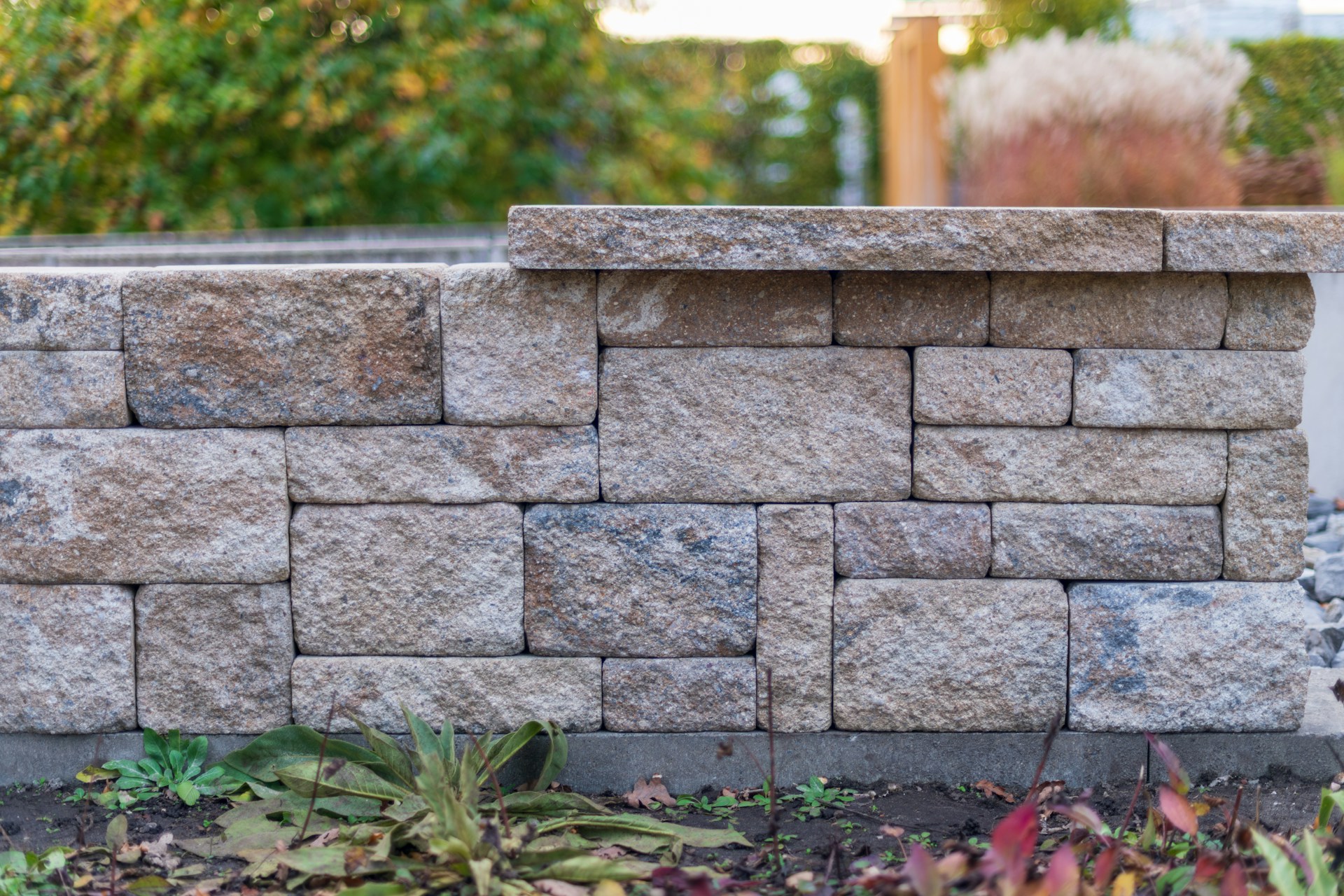
- Natural stone, which blends nicely with plantings and older homes
- Concrete block, which is flexible for curves and step-downs
- Brick, which can match existing masonry features
- Large boulders, which feel natural and work well for bigger slopes
The best wall for your property will depend on:
- Soil type and how well it drains
- Steepness of the slope
- Where water is coming from and where it should go
- How you use the space, like for play areas, patios, or driveways
Retaining walls also need more than just a nice face. What you do below and behind the wall matters most. A long-lasting wall usually includes:
- A stable, compacted base
- Proper drainage stone behind the wall
- Drain pipes to carry water away
- Geogrid or other reinforcement on taller or loaded walls
- Correct backfill, not just the soil that was dug out
On Long Island, freezing and thawing cycles, strong coastal winds, and heavy spring rains put a lot of stress on any wall. DIY shortcuts, such as skipping base prep or drainage, might save a little time at first but often lead to leaning, cracking, or full collapse later. A professionally designed and built wall protects your yard, outdoor living areas, and property value for the long term.
Good Timing for Retaining Wall Projects on Long Island
You can build retaining walls in many seasons, but planning ahead helps a lot. Early spring is usually a smart time to get on a builder’s schedule so work can be done before the busiest months.
Weather affects installation in several ways:
- Frozen ground in late winter can make digging and compaction harder
- Heavy spring rains may slow work if the site is muddy
- Summer heat can be tough on both crews and materials
Experienced crews plan around these challenges, adjust timelines, and protect the site so the finished wall is not affected.
Spring is also a natural time to pair a retaining wall project with other outdoor work, like:
- Land clearing on overgrown or sloped sections
- Drainage upgrades such as swales, dry wells, or regrading
- New plantings to stabilize slopes and soften the look of the wall
- Lawn renovations to repair areas damaged by erosion
Thinking of the wall as part of a bigger outdoor plan often leads to a yard that is both safer and more enjoyable.
How Pure Masonry & Landscape Contractors Tackles Retaining Wall Challenges and Key FAQs
At Pure Masonry & Landscape Contractors, we focus on hardscaping and landscaping across Long Island, including retaining walls that work with the way your property is shaped. Our team handles a wide range of sites, from steep slopes and tight city lots to waterfront edges and larger commercial spaces.
We also offer services that pair well with retaining walls, such as custom masonry, outdoor living spaces, decks, land clearing, and year-round property maintenance. That means we can look at your whole property and design walls that tie into patios, walkways, steps, and planting beds so everything feels connected and thought out.
Here are some common questions we hear about retaining walls on Long Island:
• How do I know if I really need a retaining wall or just better drainage?
If water and soil are moving on a slope, you may need both. A professional can look at grade, soil, and water flow to decide if grading and drainage alone are enough or if a wall is needed for long-term stability.
• How long does it usually take to build a retaining wall on Long Island?
Timing depends on wall length, height, site access, and weather. Smaller walls might take only a few days, while bigger, more complex walls can take longer.
• Do I need permits for a retaining wall, and who handles them?
Many towns require permits for walls over a certain height or near property lines. A retaining wall builder on Long Island can help find out what your town needs and manage that process.
• What is the best material for a retaining wall on Long Island’s climate?
There is no single best choice for all yards. Concrete block, stone, brick, and boulders can all perform well if designed and installed correctly for the site and drainage.
• How much maintenance does a retaining wall require after installation?
A well-built wall should not need much more than occasional checks for movement, clogged drains, or damage. Keeping nearby plantings trimmed and drainage paths clear also helps.
• Can a retaining wall be added to an existing patio or outdoor living area?
Yes, walls often work next to or around existing hardscapes. The key is to make sure the new wall does not harm what is already built and that it improves drainage and support.
• What makes a professional retaining wall builder on Long Island different from a general contractor or handyman?
Retaining walls need specific knowledge of soils, drainage, load, and local codes. A builder who works with walls and hardscapes all the time understands how to design and install a system that looks good and holds up under Long Island’s weather.
Get Started With Your Project Today
If you are ready to stabilize your property and improve your outdoor space, Pure Masonry & Landscape Contractors is here to help. As a trusted retaining wall builder in Long Island, we take the time to understand your goals and design a solution that fits your landscape and budget. Tell us about your project and we will provide clear recommendations, timelines, and next steps. To schedule a consultation or request an estimate, simply contact us today.