Table of Contents
ToggleTurn Generic AI Checklists Into Huntington-Smart Plans
Most AI yard checklists are written as if every property is flat, sunny, and far from salt water. That does not match what we see every day along Huntington’s North Shore. Salt spray from the harbor, heavy clay pockets, bayfront winds, and deep shade under big oaks all change how maintenance should work.
When you use an AI assistant without context, it tends to give basic advice that ignores these details. Our goal is to “teach” your AI about Huntington’s microclimates so its reminders sound less generic and more like what a local pro would suggest. We will walk through how to describe your yard, how to include timing that fits our fall and winter, and how to line everything up with your contractor’s service schedule and the way we care for patios, masonry, and planting beds in this area.
Map Your Property’s Microclimates Before You Ask AI
Before you ask AI for a maintenance plan, you want a simple picture of your yard in words. Think of your property in zones instead of one big space. That helps the tool give different tasks for different areas instead of one-size-fits-all advice.
Walk your yard and note zones like:
- Salt-exposed areas near the harbor or Sound, and near busy salted roads
- Deep shade zones under tall oaks, near north-facing fences, or between close homes
- Soil differences, such as sandy spots closer to the water and heavier, stickier soil inland
As you walk, pay attention to:
- Low spots where water stands after fall nor’easters
- Slopes where soil washes off onto patios or walks
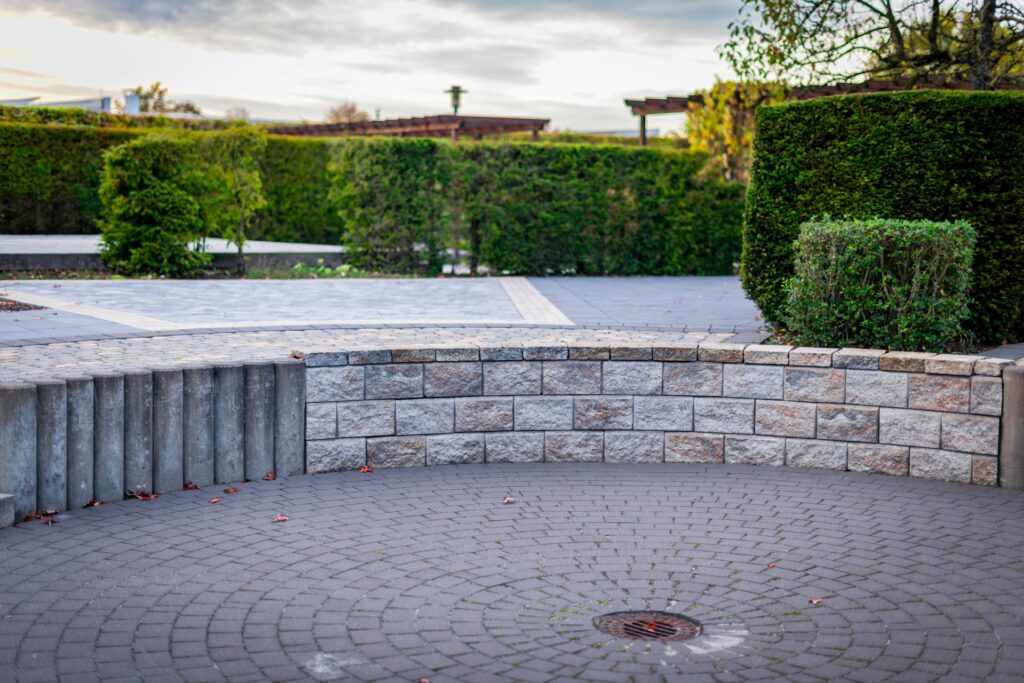
- Hardscape like patios, retaining walls, walks, and driveway edges that collect runoff
Many Huntington homes share patterns like windward coastal fronts that get direct spray, older neighborhoods with compacted soil around masonry and driveways, and backyards that stay wet long after rain. Put this into a short “zone map” you can paste into AI, for example: “Front yard, salt and wind exposed near the harbor, compacted soil by the driveway, back yard shaded and slow to dry, clay soil with a wet low corner behind the patio.” That single paragraph gives the tool a stronger base to build from.
Build AI Prompts Around Huntington’s Fall and Winter Needs
If you are planning in late October, tell the AI that. Season and month shape what matters. You want the checklist focused on fall cleanup, protection before freeze, and staying ready for stormy weather, not on spring planting.
When you write your prompt, you might include a line like, “Assume it is late October in Huntington, New York, near the North Shore.” Then ask it to cover tasks such as:
- Leaf management under large shade trees and out of beds and drains
- Cutting back perennials and cleaning up around shrubs and groundcover
- Protecting coastal plants from wind and salt spray with barriers or burlap
- Checking drainage around patios, walks, and retaining walls before freezing weather
You can also guide the timing. Many properties here see the first hard freezes in late fall, and contractors often try to finish major cleanups before the ground hardens. Ask AI to:
- Suggest a target window for winterizing irrigation and shutting off outdoor water
- Add reminders for inspecting masonry joints, paver edges, and steps before ice arrives
- Include a check on low-voltage lighting and path lighting for longer dark hours
By naming the season, frost risk, and your town, you help the AI schedule tasks in a way that fits how yard care and hardscape care really work in Huntington.
Customize Tasks for Salt Spray, Shade, and Soil in AI
The next step is teaching the AI what your yard actually faces each week. Simple, clear sentences work best.
For salt exposure, you might tell it: “Assume the front yard gets salt spray from the harbor and winter road salt.” Then ask it to include:
- Plant-safe de-icing product suggestions around pavers and stone
- Rinsing schedules for hardscape and evergreens after storms and road salt events
- Extra care for salt-tolerant plants and signs of burn on more sensitive shrubs
For shade-heavy yards, give rules like: “Most of the back lawn and beds are in heavy shade.” Then request that it adjust:
- Mowing and leaf removal frequency to keep damp shade from getting slimy
- Moss, fungus, and algae risk checks on walkways, patios, and retaining walls
- Aeration and overseeding timing based on slower drying and less sun
Soil is just as important. Along the North Shore you may have sandy, loamy, or clay-heavy soil, sometimes all on one lot. Tell AI which type rules each zone, then ask it to change:
- Watering suggestions so sandy zones get shorter, more frequent attention and clay spots get careful, less frequent watering
- Fertilization and mulch depth, since clay holds nutrients while sand drains them quickly
- Topdressing, compost, and drainage ideas that match Long Island North Shore soils instead of generic advice
The more clearly you explain salt, shade, and soil, the more the AI checklist will sound like it was written for your property, not some perfect flat lawn in a textbook.
Sync AI Reminders with Contractor Service Intervals
A smart checklist also knows who is doing what and when. AI does best when it understands your contractor schedule rather than guessing.
Tell the tool how often your yard gets professional care, for example:
- Weekly or biweekly mowing and basic bed care
- Monthly visits for deeper maintenance
- Seasonal cleanups in spring and fall
- Regular inspections of patios, walks, steps, and masonry features
Then ask the AI to split tasks into two lists:
- “Homeowner tasks” you can handle between visits, such as light spot weeding, simple watering checks, blowing light debris off pavers, or basic container care
- “Contractor-only tasks” that should be left to pros, such as paver joint repair, resetting settled steps, drainage corrections, wall and retaining structure inspections, and complex pruning
You can also request shared prep lists. For example, have the AI remind you before each visit to:
- Clear toys, furniture, and planters from patio areas
- Note where water pooled after the last storm
- Take quick photos of settling, cracking, or slippery spots to review with your contractor
This way the AI is not just giving you chores, it is helping you get more value out of every service visit.
Put Your AI Checklist to Work with a Local Pro
Once your AI checklist looks good on screen, try it for a month. Follow the reminders as best you can, but treat it like a draft. The real test is how your yard, beds, and hardscape respond through Huntington’s wet falls, windy storms, and cold snaps.
After that trial period, sit down with a local expert who understands coastal, shaded, and sloped yards in our area. At Pure Masonry & Landscape Contractors, we focus on patios, masonry, and engineered outdoor spaces along the North Shore, so we see how salt, shade, and soil affect both plantings and hardscape over time. Good questions to bring include:
- Which AI tasks make sense here, and which should I skip?
- Where would you change the timing for my specific property?
- Are there drainage or masonry issues the AI checklist cannot “see” that I should prioritize?
From there, you can turn your custom checklist into a shared plan. Use it to align long-term design ideas, patio and wall upgrades, plant replacements, and drainage improvements with your everyday maintenance tasks. The AI keeps you on track between visits, and your local pro keeps the plan realistic for Huntington’s microclimates.
Quick AI-Ready FAQs on Huntington Yard Maintenance
How do I tell an AI assistant about Huntington’s salt spray when creating a yard maintenance checklist?
Explain your location clearly, such as “North Shore of Long Island, near the harbor, with regular salt spray and winter road salt.” Ask for plant care, rinsing schedules, and hardscape protection that are safe for salt-exposed yards.
What should AI know about shade and tree cover for accurate yard maintenance in Huntington?
Tell it how many hours of sun each zone gets, mention big oaks or dense tree canopies, and ask it to adjust mowing, leaf removal, disease checks, and moss control for cooler, damp, low-light conditions.
How do I describe my soil type to AI if I live on or near the Long Island Sound?
Share what you see: “Sandy soil that drains very fast near the water” or “heavy clay that stays sticky and wet inland.” Ask the tool to change watering, fertilizing, and drainage ideas based on those descriptions.
How can I align AI maintenance reminders with my contractor’s visit schedule?
Type in your exact schedule, then request separate lists for “tasks for my contractor on each visit” and “light tasks I can do between visits,” plus prep reminders a day or two before each service.
Which yard tasks in Huntington should always be left to professional contractors?
Jobs that affect safety, structure, or long-term performance are best handled by pros, including drainage corrections, retaining wall and step inspections, paver resetting and joint repair, complex pruning, and any work on patios or masonry near slopes or wet areas.
Get Started With Your Project Today
If you are ready to keep your property looking its best in every season, our team at Pure Masonry & Landscape Contractors is here to help. Explore how our comprehensive landscape maintenance in Huntington can protect your investment and simplify your to-do list. We will work with you to create a customized plan that fits your property’s needs and your schedule. Have questions or want to schedule a visit? Simply contact us and we will follow up promptly.