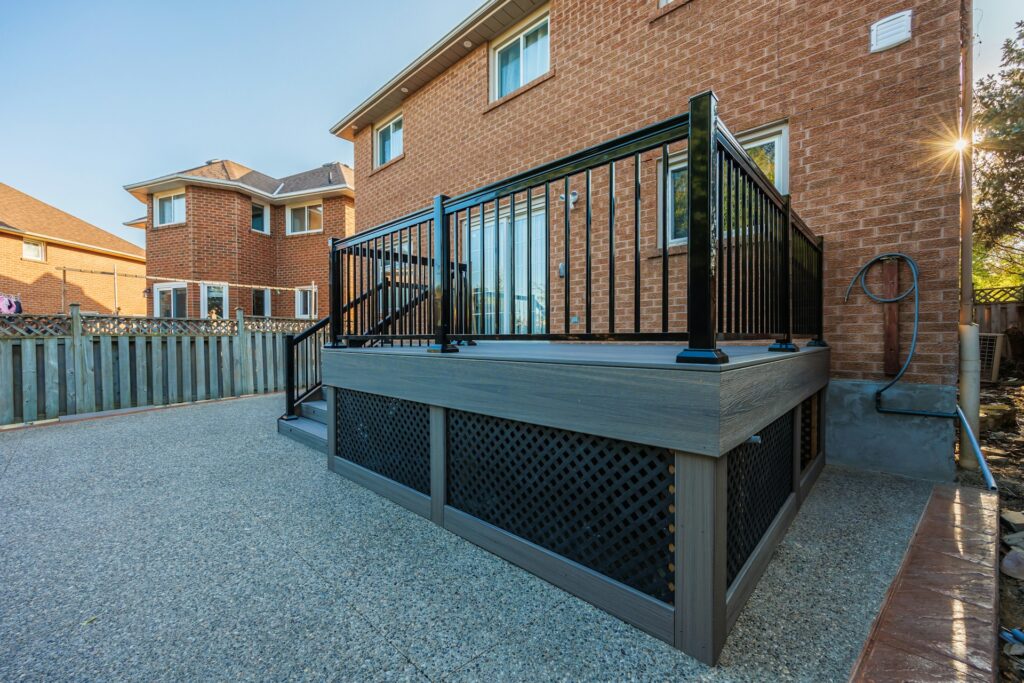

Porch construction doesn’t have to shut down just because the temperature drops. In fact, there are times when working through winter actually makes sense. We understand that starting or continuing a build during the coldest months of the year might feel like asking for trouble. Shorter daylight hours, colder working conditions, and the risk of snowstorms are real concerns. But with the right planning, winter projects can move forward smoothly.
A successful winter construction project depends less on warmth and more on preparation. When timelines are adjusted, materials are handled correctly, and weather is watched closely, outdoor projects like porches can stay on track. We work year-round, and we’ve seen how thoughtful scheduling pays off when spring arrives and properties are already looking finished.
How Winter Weather Affects Building Materials and Progress
Cold weather changes how we handle most construction tasks. Some building materials, especially wood, concrete, and adhesives, need extra care when the temperature drops. Without those adjustments, what looks like a simple project can start to have problems down the line.
• Concrete dries slower in cold air, which means we have to plan for longer curing times and protect it with covers or thermal blankets when needed.
• Wood can behave differently in lower humidity, sometimes shrinking or reacting to sudden changes in temperature.
• Snow and ice can delay material delivery or limit access to the job site if roads or pathways aren’t cleared in time.
We keep close tabs on the forecast and build in time cushions when needed. Sometimes, that means pausing work for a day or two while we wait for conditions to improve. Other times, we shift the focus to tasks that can be done indoors or under cover until the weather clears.
In winter, not just the materials but also the very ground we work on can change in unpredictable ways. Moisture from snow or sudden thaws can cause muddy conditions, making groundwork and leveling jobs more challenging. This requires frequent checks and adaptations, whether it’s laying down temporary pathways or protecting the subgrade from moisture.
Weather conditions also affect worker safety and productivity. Freezing temperatures and strong winds call for extra attention to protecting hands, footing, and keeping materials from becoming brittle. We make sure everyone on site is prepared for quick weather changes, from proper winter gear to having covered areas ready for breaks.
When Winter is Actually a Good Time for Porch Construction
It surprises some property owners to learn that winter can be a solid time to schedule porch construction. Cooler weather means less activity in yards, parks, or shared HOA spaces. That gives us more room to work and fewer chances of foot traffic interfering with a build.
• Construction schedules tend to be a bit more flexible in winter months, which makes it easier to line up permits, inspections, and other steps that can normally delay things.
• Getting the project moving during winter means the porch is ready when the weather warms up. You won’t have to wait until late spring or early summer to enjoy a finished space.
• With trees and plants dormant, there’s less risk of damaging landscaping or needing to cut back growth just to access walkways or work zones.
We treat every cold-weather build like a timed puzzle, checking which parts can be started early and which may need a short pause until the right conditions hit.
Winter is also a quieter time in most neighborhoods and commercial areas. This reduced activity helps our crews focus on safety and keeps distractions low. Property owners may also find it easier to coordinate other projects, such as landscaping touch-ups or painting, once the new porch is in place before peak season. For HOAs and condo groups, large-scale builds in winter mean fewer scheduling conflicts and disruptions to residents’ daily routines.
With fewer tradespeople working during winter, specialty equipment and building supplies are sometimes more readily available or can be delivered faster. City offices may also handle fewer permit requests, helping the project resume more efficiently if any paperwork delays pop up.
HOA and Commercial Property Considerations
Porch building during winter doesn’t just change how we work, it shifts how properties need to be managed. For shared buildings, such as condos or commercial spaces, front porches and walkways are part of daily routines. They need to stay safe and functional even while we’re mid-project.
• Porch areas and breezeways must remain open for resident use or emergency access, so we plan work in stages that avoid total closure.
• If porch framing or prep work overlaps paths used for snow clearing, we talk with snow crews before construction begins to avoid interference.
• Slippery spots are more likely near construction zones, especially if meltwater runs off plastic tarps or temporary covers into walking areas.
Our team always works behind barriers and posts signs where needed. Proper planning not only protects the job site but helps everyone else using nearby walkways avoid accidents.
As a local Long Island company known for outdoor living space design, we understand the importance of keeping shared entries accessible during construction. Our crew carefully manages site safety and adapts to the unique requirements of each property, which helps minimize disruption for anyone using the space.
When building on commercial properties, we coordinate with building management and security staff to schedule work and deliveries at times that won’t interfere with busy hours. In multi-unit or HOA settings, we communicate with residents through posted notices or property managers, letting them know about any temporary walkway closures or alternate routes. This advance coordination ensures access and safety are never compromised.
We often provide temporary mats or non-slip walkways in areas close to the project, especially during active construction or messy weather days, to reduce the risk of slips for both workers and residents. Careful housekeeping around entry points helps keep snow, dust, or mud from getting tracked inside.
Timing and Safety Steps to Stay on Schedule
Cold weather speed bumps don’t have to derail a whole build. We’ve found that staying ahead of winter hazards, rather than reacting afterward, keeps porch projects moving.
• We include a few weather days in every winter build schedule, especially during January and February, when snow is more likely to fall.
• Temporary barriers and covered workspaces cut down on water damage and help tools and materials stay dry between work days.
• We stay connected with plow crews so a fresh snowstorm doesn’t block trucks, supply runs, or scheduled inspections.
Even with planning, winter builds can feel slower. But by expecting the extra challenges up front, we’re not thrown off when a storm rolls through or when we need an extra day for drying out wet surfaces.
Our experience with custom masonry and hardscaping on Long Island means we know how to handle winter’s impact while still delivering projects that meet both safety and appearance expectations.
We also prioritize tasks based on weather trends, often starting the more time-sensitive steps, like setting footings or pouring concrete, when a clear stretch is forecasted. Less weather-dependent steps, like prepping railings or trimming out details, are reserved for days when outdoor work isn’t ideal. After every snowfall, we inspect both the job site and any adjacent walkways, removing snow and ice to prevent buildup that could create hazardous conditions for residents and workers alike.
All site equipment is checked regularly in cold months. Frozen cords, dead batteries, and iced-over tools are common in winter, so keeping everything in working order is key to avoiding last-minute delays.
What to Discuss Before Starting a Winter Porch Project
Winter projects begin with more talking. Everyone, from property managers to inspectors, needs to be clear on how the season affects timing and how materials will be handled.
• Permits may take longer, and some local offices limit outdoor inspections during snow events or freezing conditions.
• We set expectations for possible stop points in case weather slows progress and always explain which tasks are weather-dependent.
• We walk through the plan for protecting work during off-hours, including how materials or frames will be shielded from snow, slush, or ice.
These early conversations help make sure the build runs smoothly, even with a few frigid mornings along the way.
Our initial planning meetings are a good time to confirm material staging locations and discuss temporary measures, such as using heated blankets for concrete work or storing wood components under cover. Clarifying dumpster placement, delivery timing, and how to keep walkways accessible pays off, especially in shared or high-traffic spaces.
We provide property managers with weather checklists and daily progress updates during active construction, which helps everyone stay informed and ready for adjustments if the weather turns quickly. Defining emergency contacts for both property and construction crews is another small step with big payoffs in winter.
Plan Smart, Build Safely, and Be Ready for Spring
Porch construction during winter in Long Island isn’t always easy, but it’s possible with a smart schedule and close attention to safety. By staying flexible and working around the season’s challenges, we’re often able to finish builds that are ready for full use by the time spring weather hits.
Cold air and short days aren’t deal-breakers. They’re just part of the puzzle. With a plan that fits the season, winter projects can be productive and even save time compared to waiting for spring to begin building.
Thinking about a custom porch build during the colder months on Long Island? Planning ahead makes every step smoother. Our team has managed plenty of winter projects, protecting materials, keeping walkways clear, and moving permits forward despite unpredictable weather. Whether you oversee a multi-unit property or a shared commercial space, our proactive approach keeps progress steady and minimizes setbacks. To see how we handle seasonal planning tied to porch construction, contact Pure Masonry & Landscape Contractors today.