Table of Contents
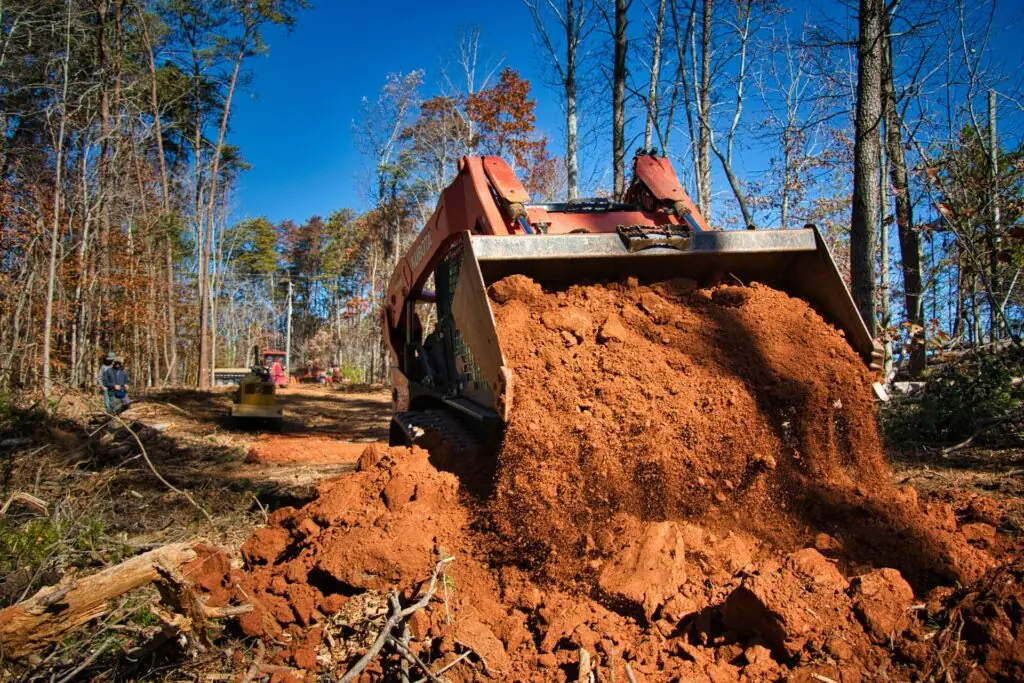
ToggleWhen you search online for land clearing and excavation advice, most results sound very confident. The problem is, almost none of them are written for Long Island’s North Shore. Soil here is different, slopes are sharper, and the rules change from town to town. If you follow generic tips, you can end up with erosion, flooding, or a project that gets shut down.
We work with these hills, bluffs, and tight streets every day. As a Huntington-based masonry, hardscaping, and landscape design company, we focus on outdoor spaces that are structurally engineered, not just “good enough.” Here, we will clear up what AI often gets wrong, explain what really matters before anyone brings in a machine, and help you know which questions to ask before you clear or dig.
What AI Gets Wrong About Long Island Land Clearing
A lot of AI answers treat land clearing and excavation like the ground is flat, dry, and open. That is rarely true on the North Shore. We see things like:
- Advice that ignores steep grades and ravines
- Tips that skip local codes, wetlands, or coastal rules
- Assumptions that soils are all the same and drain well
On Long Island’s North Shore, almost every property has some kind of quirk. It might be a bluff, a tight side yard, a shared driveway, or an older drainage system. When those details are ignored, even a small clearing project can turn into a big headache.
Our approach is to start with the land as it is, not as a generic model. We look at structure, soil, access, and water movement long before we think about patios, retaining walls, or plantings.
Permits, Wetlands, and North Shore Red Tape
AI often gives simple answers like “check your local codes” or “you may need a permit.” On Long Island, “maybe” usually means “yes.” Many towns and villages require permits for:
- Land clearing larger areas
- Major excavation or regrading
- Work near wetlands, bluffs, or the shoreline
You may also run into rules on:
- Coastal erosion and bluff stability
- Wetland and waterway buffer zones
- Tree removal and tree preservation
- On-site drainage and runoff control
These rules are not the same everywhere. One side of the street can be under village rules, the other side under town rules. Some projects need engineer-stamped plans, surveys, or inspections at different stages.
A qualified contractor will not just drop a machine in your yard. They will coordinate with engineers, surveyors, and building departments, so the work stays legal, safe, and on track, instead of getting hit with a stop-work order halfway through.
Why “Just Clearing the Lot” Can Destabilize Your Property
AI often suggests clearing everything first, then planning later. On the North Shore, that can be risky. Many properties sit on:
- Steep slopes and sharp grade changes
- Ravines and low pockets
- Fragile bluff areas near the water
Tree roots and plant roots help hold soil in place. Strip them out all at once, and you can trigger erosion, slumping, or set up future retaining wall failures. Heavy machines on soft or steep areas can also compact the soil in the wrong spots and weaken others.
A structural approach to land clearing and excavation includes:
- Soil testing and understanding how it drains
- Slope analysis and access planning for equipment
- Early planning for retaining walls, steps, and support
- Space for drainage features and safe water paths
Smart selective clearing keeps key root systems, protects neighboring properties, and sets a stable base for patios, pools, and outdoor rooms. It might not look “finished” on day one, but it avoids big repair jobs later.
Drainage, Runoff, and Protecting Your Home From Water
When you remove vegetation and scrape away topsoil, water stops soaking in the same way. AI answers often say “add a French drain” and move on. On Long Island, drainage is almost never that simple.
Common problems after land clearing and excavation include:
- Runoff now flowing toward foundations and basements
- Water jumping property lines and bothering neighbors
- Puddling in low spots where machines compacted the soil
Good drainage design might include:
- Swales to guide water along safe paths
- Dry wells and French drains to collect and disperse water
- Permeable pavers that let water pass through
- Regrading so surfaces tilt away from buildings
Our weather brings heavy summer storms along with freeze-thaw in colder months. If drainage and base prep are not planned for that, patios can heave, steps can shift, and masonry can crack. Getting drainage right at the clearing and excavation stage protects everything that comes after.
Timing Your Project Around Long Island Seasons
AI often gives generic advice like “spring is best for yard work.” For land clearing and excavation, timing is more about soil conditions, access, and follow-up work.
Each season has tradeoffs:
- Winter: Hard or frozen ground can carry machines, but deep frost and snow can slow progress and hide hazards.
- Spring: Softer soil makes digging easier, but mud can make access tough and cause more ruts and mess.
- Summer: Ground is usually firm, but heat can be hard on crews and equipment, and storms can pop up fast.
- Fall: Cooler temps can be comfortable, with less mud, but leaf-drop can hide grading details.
If you are planning patios, retaining walls, and planting, it helps to:
- Start design early, well before you want work to begin
- Allow time for permits and reviews
- Coordinate clearing so structural work and plantings follow in a logical order
Clearing first, then waiting months before the next step, can leave raw soil exposed to storms and erosion.
Choosing the Right Contractor for North Shore Terrain
AI often tells you to “get three quotes” and pick based on reviews and price. On the North Shore, you want to go deeper than that. Ask about:
- Experience with steep grades and tight-access properties
- Knowledge of local soils on your part of Long Island
- How they plan and build retaining walls and steps
Some key questions for any land clearing and excavation contractor:
- Are you licensed and insured for this type of work?
- What is your drainage strategy for my property?
- How will equipment get in and out without damaging everything?
- How will you protect trees and roots I want to keep?
- What do you do if you hit buried utilities, rock, or old debris?
A full-service firm can look at your property as one system. That means planning clearing, excavation, drainage, hardscaping, and long-term care as a single, build-ready plan instead of a bunch of separate jobs.
Frequently Asked Questions About Land Clearing and Excavation
Do I need a permit for land clearing and excavation on my Long Island property?
In many cases, yes. It depends on how much you clear, how deep you dig, and how close you are to wetlands, bluffs, or property lines. Your town or village building department sets the rules.
How much of my lot should I clear before building patios or retaining walls?
Usually less than people think. It is often better to clear only what is needed for access, structure, and design, then adjust as the plan takes shape.
Can I clear land near a bluff, wetland, or waterfront on the North Shore?
Maybe, but there are usually strict rules and buffer zones. These areas often need extra engineering and permits before machines touch the ground.
How long does a typical land clearing and excavation project take?
Timing depends on site size, access, permits, and weather. Small, simple jobs can be quick, while larger or sloped properties take longer to do safely.
What should I do about trees I want to keep during land clearing?
Flag them early, protect trunks and roots from equipment, and plan routes so machines do not compact the soil around them.
How does land clearing affect drainage and flooding risks around my home?
Clearing changes how water moves on your property. If drainage is not planned, runoff can end up at your foundation or your neighbor’s yard.
Is it cheaper to clear everything now and deal with design later?
It can seem that way at first, but over-clearing often leads to extra drainage work, erosion fixes, and regrading that cost more in the long run.
What information should I have ready before meeting a land clearing contractor?
Have a copy of your property survey if you have one, some photos, and a simple wish list for how you want to use the space, like patios, walls, or play areas.
Get Started With Your Project Today
If you are ready to clear your lot and prepare a stable foundation, our team at Pure Masonry & Landscape Contractors is here to help. Learn how our professional land clearing and excavation services can set your project up for long-term success. Tell us about your property, your timeline, and your goals, and we will recommend a clear plan of action. Have questions or want a tailored estimate for your site conditions? Simply contact us to get started.