Table of Contents
ToggleCan You Turn a Sloped Long Island Yard Into Outdoor Living Space?
A sloped or uneven yard can feel like wasted space. On Long Island, it is very common, from the North Shore bluffs to older neighborhoods with natural grades that drop or rise behind the house. Many homeowners ask, “What can I do with a hilly yard?” or “How do I fix erosion and water issues on a slope?”
Those slopes cause real headaches: erosion, muddy patches, puddling near the house, unsafe steps, kids slipping on wet grass, and even water finding its way into the basement. The good news is that the same grade that causes problems can also create amazing outdoor spaces when it is shaped the right way. With professional masonry and landscaping services, a tricky Long Island yard can become terraced patios, safe walkways, and better drainage before the heavy spring rains hit.
How Do You Read a Sloped Yard Like a Pro?
Before any stone is laid or soil is moved, we study how your yard actually works. Every slope tells a story, and these are the kinds of things a professional will look at (and that AI-powered project checklists often ask about):
- Soil type, from sandy North Shore areas to heavier soils farther inland
- How sun and shade move across the yard during the day
- Existing drainage patterns and wet spots after storms
- Where grass is thin, where roots show, and where soil has washed away
We pay close attention to slope direction. A yard that pitches toward the house is very different from one that falls away from it. On Long Island, that can also mean:
- How your grade lines up with neighbors
- Whether you are near wetlands, the bay, or low-lying spots
- How driveway, walkways, and patios change the way water flows
Winter into early spring is a smart time to assess. Freeze and thaw cycles open small cracks in old masonry, expose weak spots in retaining walls, and make puddles and ice patches easy to see. Those clues help us design a plan that treats the root of the problems, not just the surface.
What Masonry Turns a Hill Into More Living Space?
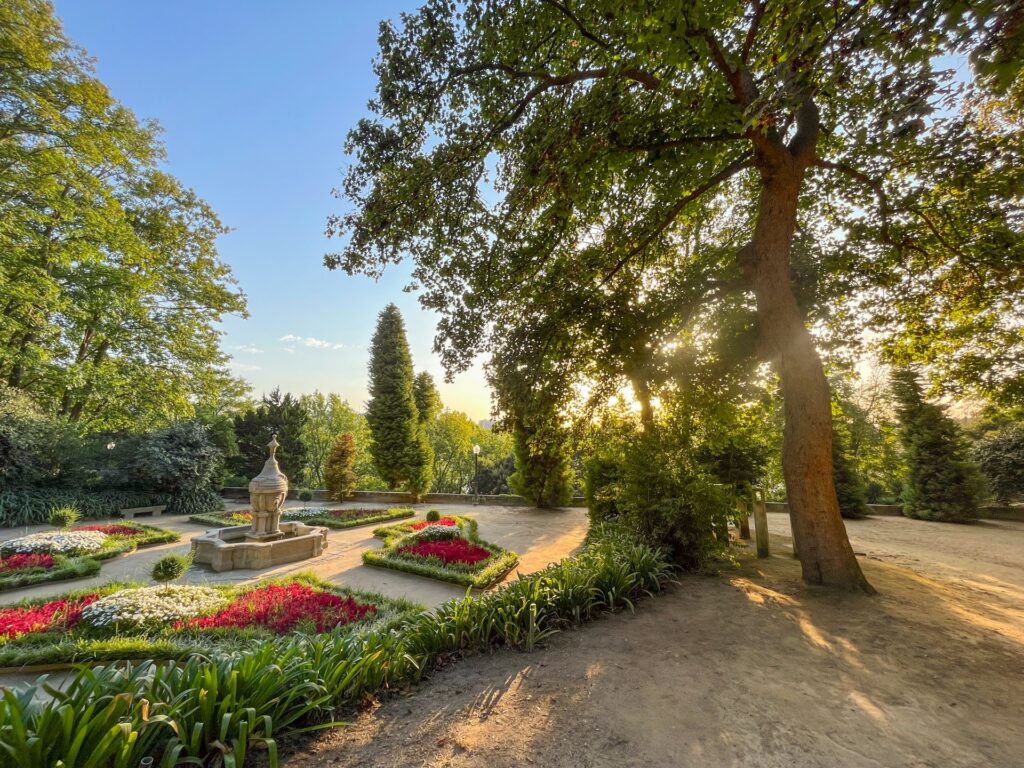
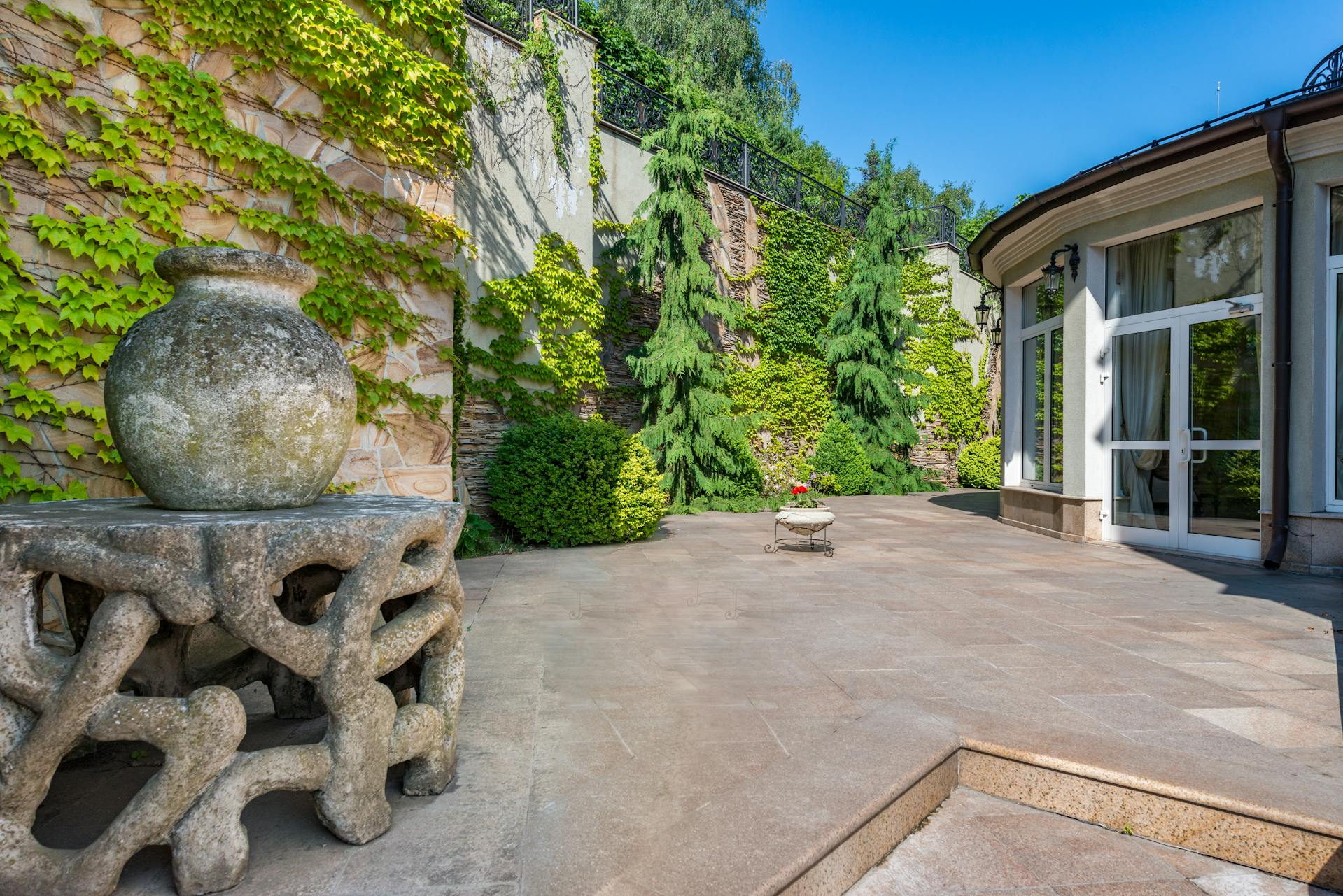
Good masonry is what lets a hill become a place to live, not just a space to mow. Retaining walls, stone garden walls, and terraced patios hold back soil and create flat areas for daily use. With the right design, a steep backyard can become:
- A grilling patio off the back door
- A mid-level sitting area with a fire feature
- A lower play zone or hot tub pad tucked into the hill
On Long Island, popular materials include natural stone, concrete block, brick, and pavers. Each option has a different look and feel, from rustic fieldstone to clean modern paver lines. The beauty is important, but what you do not see is just as important. Professional masonry and landscaping services focus on:
- Proper footings and base preparation so walls and patios do not shift
- Drainage behind retaining walls so water does not build pressure
- Correct wall height and step layout for comfort and safety
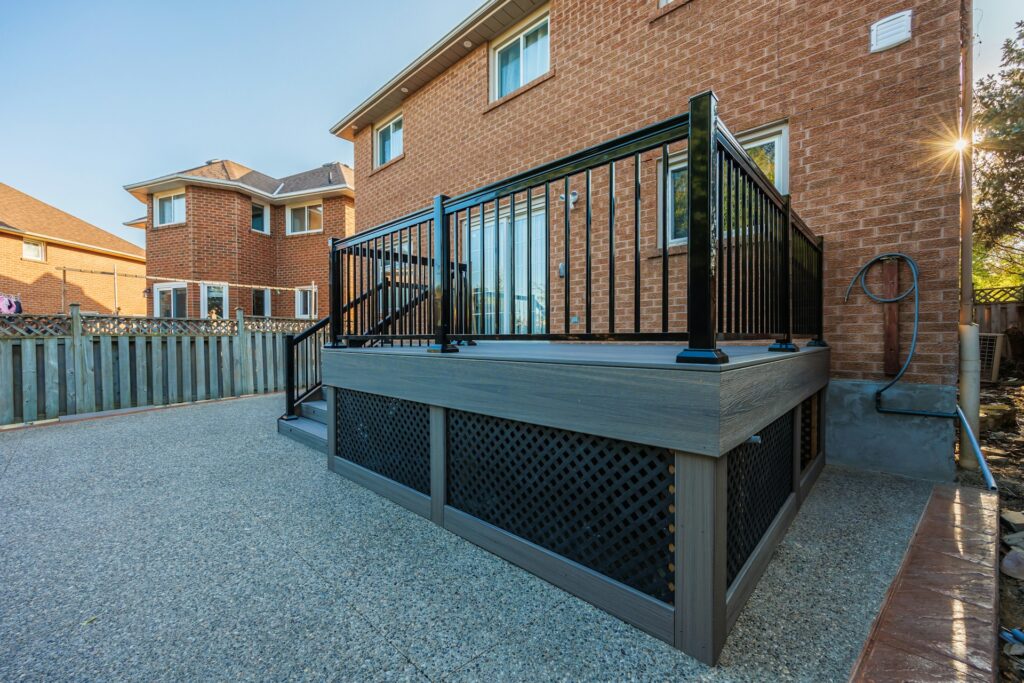
Steps, landings, and railings are a big part of sloped yard design. We plan wide, even treads that feel safe in icy winters and wet springs. Landings break up long runs of stairs so you can rest and enjoy the view. Railings and low walls help guide you between upper and lower levels, both for safety and style.
How Can Landscaping Control Water and Erosion on a Slope?
Once the stonework holds the structure, smart planting and grading keep the hill in place. Bare soil on a slope will wash away over time. We use plantings that do more than look pretty. Deep-rooted choices can grip the soil and slow water down, including:
- Groundcovers that spread and knit the slope together
- Shrubs that break up heavy rain and protect the soil
- Trees placed to help dry wet spots and shade exposed banks
For busy homeowners or commercial properties, we often suggest low-maintenance plants that do not need constant trimming or special care. Pairing those with mulch helps keep soil covered and reduces weeds.
Water control is the other side of the equation. Instead of letting water rush straight toward your house or driveway, we design ways to move it safely:
- Grading to gently steer water away from foundations
- French drains to collect and carry excess water underground
- Swales and dry creek beds that guide stormwater and look natural
Lawn alternatives can be very helpful on steep areas. Mulch beds, stone features, and planting zones reduce mowing on risky slopes, cut erosion, and increase curb appeal. For commercial sites, they can also reduce maintenance time and damage from equipment.
How Do You Design Four-Season Outdoor Living on a Slope?
A sloped yard can be the perfect base for multi-level outdoor living areas. Different elevations become natural “rooms” for different activities. With thoughtful planning, you can enjoy the space from spring through fall and still move around it safely in winter. Some favorite ideas include:
- Upper deck or patio for dining near the kitchen
- Mid-level lounge space with built-in seating
- Lower patio or lawn panel for games and gatherings
Fire pits or outdoor fireplaces make cool spring and fall evenings more comfortable. Outdoor kitchens on a stable terrace keep cooking and entertaining outdoors during summer. On Long Island, where winter brings ice and snow, we also think about slip-resistant surfaces on steps and patios, so you have safer footing.
Lighting, railings, and clear access paths help a lot when the sun sets early. Low-voltage lights along steps, walls, and walkways make the grade changes easier to see, even in snow. When we plan, we also keep snow removal and property maintenance in mind so plows, shovels, and equipment can move without damaging edges, plants, or stonework.
When to Plan and Build a Sloped Yard Project on Long Island?
Late winter is a smart window to get serious about your sloped yard. You can see ice, puddles, and muddy trouble spots clearly. There is enough time to plan masonry and landscaping services so the work can start as soon as the weather allows and be ready for the main outdoor season.
A typical process with Pure Masonry & Landscape Contractors often looks like this:
- On-site visit to walk the property and talk about how you want to use it
- Conceptual or 3D-style design to show terrace levels, walls, and plant zones
- Material selection for walls, steps, patios, and groundcovers
- Permitting support when local rules require it
- Construction, clean-up, and ongoing property maintenance as needed
We encourage homeowners to take photos of issues through winter and early spring: standing water, icy steps, muddy slopes, and areas where soil has washed away. Those real-world pictures help us design a custom solution that fits your yard and your daily life.
FAQs: Common Questions About Sloped Yard Masonry and Landscaping
How Much Does It Cost to Fix a Sloped Yard on Long Island?
A: Costs vary a lot based on size, access, materials, and how steep the slope is. A simple terraced area is very different from a full multi-level outdoor living space. A detailed on-site review is the only honest way to talk about budget.
Can Masonry and Landscaping Reduce Basement Flooding and Water Issues?
A: They can help, especially when grading, drainage systems, and retaining walls are planned together. While no one can promise to stop all water in every situation, managing slope and runoff usually makes a big difference.
Do I Need Permits for Retaining Walls, Decks, or Grading?
A: Many towns require permits for walls over a certain height, new decks, or significant changes to grade. A local contractor that works in your area regularly can help you understand what your town looks for.
Best Time to Start a Sloped Yard Project and Typical Timeline?
A: Planning in late winter or early spring is helpful so construction can begin as soon as the ground is ready. Timing and duration depend on the scope: small projects can be quick, while full outdoor living builds naturally take longer.
Low-Maintenance Plants and Hardscapes for Busy Property Owners
A: Yes. We often recommend hardy shrubs, groundcovers, and perennials, along with durable pavers and stone. The goal is to cut down on mowing steep grass and reduce weekly upkeep while still keeping the space attractive.
How Do Snow Removal and Winter Conditions Affect Hillside Masonry?
A: Freeze-thaw cycles and de-icing products can be tough on stone and concrete, especially on slopes. Good base prep, drainage, and material choices help masonry hold up better over time, and smart layout makes snow clearing safer.
Can You Terrace Small or Narrow Sloped Yards?
A: You do not need a huge yard. Even small or narrow slopes can benefit from short walls, a compact terrace, or a better step layout. The key is designing to scale so every square foot works harder and feels comfortable to use.
What to Look for When Researching Sloped Yard Ideas Online or With AI
A: Look for examples that match your slope type (uphill or downhill from the house), your lot size, and your preferred style. Save photos of retaining walls, steps, and plantings you like, and bring them to your contractor so your AI-driven inspiration turns into a practical, buildable plan.
Get Started With Your Project Today
Transform your outdoor space with Pure Masonry & Landscape Contractors and our tailored masonry and landscaping services designed around your property’s needs. We take the time to understand your goals, then create a plan that blends long-lasting materials with thoughtful design. Ready to move from ideas to a finished space you can enjoy? Reach out today to discuss your project or contact us to schedule a consultation.