
Table of Contents
ToggleDiscover how a skilled masonry contractor in Long Island can maintain your outdoor spaces and protect them from seasonal challenges and weather damage.
Introduction
Masonry has a way of adding lasting value and structure to outdoor spaces. Brick patios, stone walls, and retaining features aren’t just there for looks, they’re also built to stay strong for decades. Even though masonry is durable, regular upkeep goes a long way. Skipping routine care can slowly lead to surface damage, water seepage, or loose materials, which then spiral into bigger repair needs.
If you’re in Long Island, especially around Huntington, late fall is a good time to get serious about your masonry. By now, the season has brought cooler nights and some damp days. Winter is just around the corner, and those weather shifts can impact masonry if there’s already unseen damage. Getting a few simple habits in motion now can protect your outdoor features from cracking or crumbling when the temperature drops.
If you’re looking for a knowledgeable masonry contractor in Long Island before winter rolls in, now’s the best time to assess and act.
Inspect Regularly For Damage
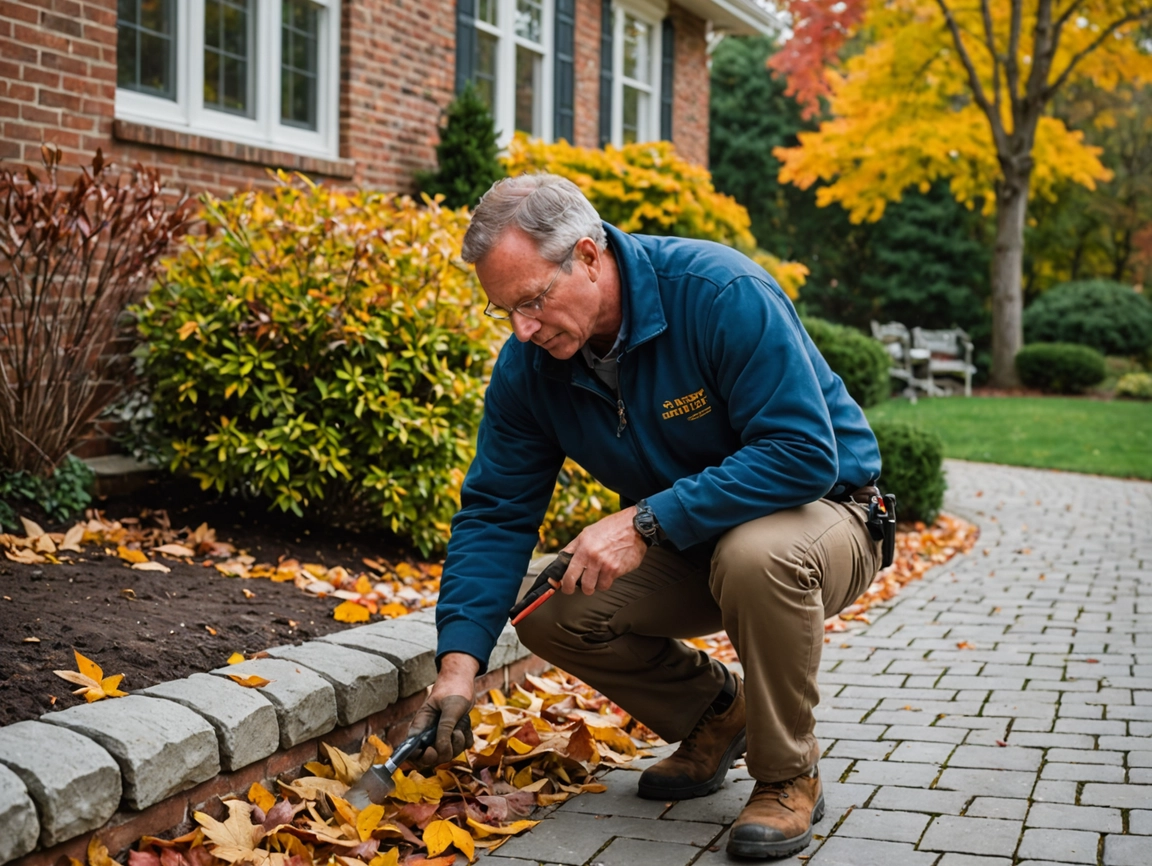
Giving your masonry regular checkups can help you catch and fix problems early. Dry summers followed by wet fall days create the perfect conditions for trouble to show up in bricks, stonework, and mortar joints. A quick walkthrough around your property can help you spot warning signs before they turn into big repair bills.
Here’s what to look for during your fall inspection:
– Cracks: These can appear on the surface of bricks, stones, or in the mortar holding pieces together. A few thin cracks might be harmless, but longer or widening ones could signal a bigger issue. Vertical cracks can suggest shifting.
– Shifting or Loose Materials: If parts of your walkway or wall feel unstable or seem out of alignment, water may have gotten under them or the base may have moved.
– Staining or Efflorescence: That white, chalky deposit means water is moving through the masonry and bringing minerals to the surface. It’s a red flag for moisture issues.
– Water Pooling Near Structures: Watch for puddles forming next to walls or steps. Pooling water adds pressure and slowly weakens mortar and foundations.
– Crumbling Mortar: If the mortar between bricks is drying out and breaking down, those sections can loosen over time. Direct sunlight and excess moisture speed up this process.
Spotting these conditions during the fall gives you a window to intervene before winter conditions make them worse. Even small cracks can grow quickly when freezing temperatures cause water to expand inside the masonry. If your inspection shows bigger signs of stress, calling in a professional to evaluate the damage is a smart move.
Clean And Seal Masonry Surfaces
Masonry collects all kinds of dirt, leaves, mildew, and other grime as the seasons change. A good cleaning keeps it looking sharp and also helps prevent long-term damage. Once clean, sealing steps in to protect the surface from moisture and harsh weather during the winter months.
Cleaning your masonry doesn’t require anything extreme. For basic upkeep, use a garden hose and stiff-bristle brush to scrub down walkways, walls, or patios. If you’re dealing with mildew or stubborn stains, a gentle cleaner made for masonry can help, as long as it’s safe for your specific material. Be sure to avoid heavy chemicals or tools like wire brushes that could scratch or weaken the stone or brick.
After cleaning, give it proper time to dry. Then, apply a water-repellent seal to lock out moisture while still allowing the surface to breathe. That ventilation is key to preventing trapped water underneath the surface.
Follow these steps for best results:
1. Sweep away dirt, leaves, and debris.
2. Use a masonry-safe cleaner with a brush to scrub away stains or mildew.
3. Rinse the surface thoroughly and allow to dry for a day or two.
4. Pick a breathable sealer that matches your material type.
5. Apply using a low-pressure hand sprayer or roller for even coverage.
Timing is everything. Do this work while the temperatures are still mild, and before freezing nights are common. Proper sealing can be a game-changer for how well your masonry holds up to snow, ice, and rain over the winter.
Repair Cracks And Missing Mortar
Even small gaps or cracks in your masonry can invite moisture inside. Fast forward through a few freeze-thaw cycles, and what started as a hairline split might now be a larger break or even cause parts to loosen. Once moisture gets in and freezes, it expands and puts pressure on the surrounding area. That’s why handling repairs early on really matters.
To stay ahead of serious repairs, here’s how to handle small issues:
1. Find the damage: Look for cracked mortar joints or thin lines splitting across bricks or stone.
2. Clean loose material: Use a brush to remove old mortar or dirt from the damaged section before working on it.
3. Patch the cracks: Fill narrow cracks with flexible exterior caulk or products meant for masonry, which keeps water from slipping in.
4. Repair missing mortar: Known as repointing, this involves applying new mortar into empty joints to bring structure and support back.
While some of this may sound like minor touch-ups, it’s best to have a professional masonry contractor in Long Island take a look if you notice large gaps or long, spreading cracks. Skilled experts ensure repairs match both the appearance and strength of your existing setup, and they know how to address problems beneath the surface.
Protect Against Freeze-Thaw Cycles
One of the top threats to masonry in Long Island is the freeze-thaw cycle. During fall, temperatures often bounce between cold and mild. Water sneaks into cracks and pores, then freezes during chilly nights. That frozen moisture expands inside the stone or brick, causing it to chip or even break apart. Once this cycle repeats, damage becomes harder to ignore and more expensive to fix.
Here are a few ways to shield your masonry from freeze-thaw stress:
– Cover larger surfaces like patios, fire pits, or sitting walls with breathable tarps to keep out rain and snow.
– Apply a high-quality masonry sealer that blocks water but also lets interior moisture escape. This balance helps prevent bubbling or trapped condensation.
– Shovel or sweep snow off masonry features after each storm rather than letting it linger.
– Keep an eye on drainage and slope. You don’t want water collecting around the base of hardscape elements.
If any parts of your masonry already show signs of cracking or flaking from freeze-thaw exposure, let a trained contractor handle the assessment. They bring the tools and repair know-how to stabilize the damage and get your features ready for what winter throws at them.
How to Make Masonry Maintenance Work for You
Looking after your masonry is an ongoing practice, not just something you do once a year. Fall is a smart time to double-check everything since it comes right before the roughest weather stretch. A little work now will help your walkways, walls, and patios look better and last longer.
Regular inspections, clean surfaces, timely repairs, and sealing are practical, affordable steps that make all the difference. Acting ahead of winter means your masonry will be better protected and less likely to suffer from major problems when spring rolls around again.
Strong, well-kept masonry does more than support your landscape. It boosts how your property looks and how well it handles the changing weather across the seasons. Being proactive with care and maintenance helps lock in that value for years to come. When needed, count on a professional team to handle bigger repairs and keep your outdoor features long-lasting and strong.
If you’re looking to keep your outdoor features strong through every season, it’s important to have the right help. Whether you’re dealing with worn mortar, loose stone, or just want a professional eye on your property, Pure Masonry & Landscape Contractors is here to help. Learn how our masonry contractor in Long Island can give your hardscapes the care they need to stay in top shape all year long.


