
Table of Contents
ToggleIntroduction
An outdoor kitchen can turn a plain backyard into a space that’s both practical and enjoyable. Whether you’re grilling dinner, entertaining friends, or enjoying a quiet Sunday breakfast outside, it brings a new level of relaxation and convenience. It creates a second cooking space and keeps heat and mess away from your indoor kitchen during warmer months.
For Long Island homeowners, especially in areas like Huntington where backyard sizes vary, making smart use of your available space is key. A well-thought-out layout can make even a small area work beautifully, packing in all the function without feeling crowded. Careful planning helps keep everything from the grill to the garbage bin exactly where it needs to be.
Assessing and Planning Your Space
Before picking out appliances or deciding on finishes, it’s important to understand what space you have to work with. Every yard is different. In Huntington, some homes have long narrow side yards, others have deep patios or mature landscaping already in place. Your existing setup will directly influence your kitchen’s layout.
Start by sketching a simple outline of your space. Draw in any large trees, fences, sheds, walkways, and existing patios. Mark how far the yard stretches out and where the sunlight hits throughout the day. Figuring out sun and shade patterns early helps you decide the most comfortable place to position the kitchen.
Think about proximity too. Should the kitchen be near the indoor kitchen for easy food prep and delivery? Is there already a level surface or will some grading be needed?
One of the most important steps is checking your utility connections. Knowing where your electric, gas, and water lines are can help you figure out the best location for appliances and plumbing. Staying closer to existing utility points can save you money and time.
The planning phase sets the tone for the entire project. Whether your goal is to throw big summer barbecues or have a peaceful retreat for everyday meals, take the time to match the design to the way you truly use your space.
Essential Zones in an Outdoor Kitchen
Breaking an outdoor kitchen into zones helps keep it functional without wasting space. Here’s what to consider when assigning purpose to each part of the layout.
1. Cooking Zone
This is the center of the action. It usually includes a grill and sometimes a side burner or wood-fired oven. It should be close to the prep area to avoid back-and-forth walking with hot pans. Place it away from guest seating and foot traffic to keep things safe.
2. Prep Zone
You’ll need space to chop, marinate, and assemble dishes. Some counter space and a cutting board go a long way, especially if it’s right next to the cooking zone. You can also include cabinets for utensils and prep tools.
3. Cleaning Zone
Having a sink outdoors makes cleanup easier. It helps with rinsing veggies, washing hands, and tidying up. It usually sits next to the prep zone and can be tied into your home’s plumbing for reliable drainage.
4. Storage Zone
Outdoor-rated cabinets, drawer units, or shelves are helpful for storing dry goods, cookware, and grilling tools. Make sure storage is weather-safe and sealed against moisture so items stay clean and ready.
5. Dining and Socializing Zone
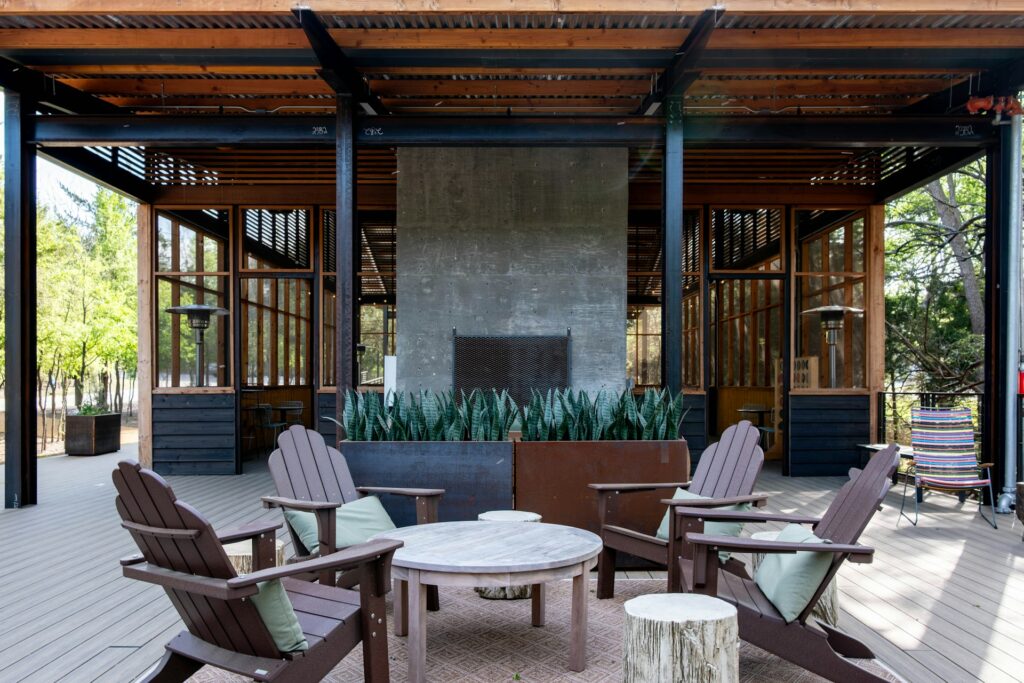
This is where guests gather to relax, so comfort is a top priority. The furniture should match the scale of the kitchen and yard. Add details like cushions, a dining table, or even a small fire feature. Arrange it so that people can interact with the cook but stay out of the main work zones.
Designing your kitchen with these areas in mind creates a better flow and makes entertaining or everyday use more enjoyable. Even with limited space, separating the zones keeps the space from feeling cramped.
Space-Saving Design Tips
Not every yard has room for a full outdoor kitchen, but good design can make even compact spaces work well. Here are a few practical ideas for saving space without giving up function.
Look for furniture and appliances with more than one use. A grill with built-in storage drawers or cutting boards that also work as sink covers can reduce the need for extra furniture. Multi-functional pieces help eliminate clutter while keeping everything you need at hand.
Use your vertical space. Wall-mounted hooks and open shelving can store tools and spices without taking up floor space. Hanging baskets or magnetic strips can hold utensils without needing drawer space.
Choose folding or retractable options when possible. Tables that can collapse, chairs that stack, or pergolas with retractable shade save space when not in use and give you flexibility when hosting more people.
Weather-resistant materials and finishes are especially important in the Long Island climate. Opt for outdoor-rated stainless steel, stone, or tough woods like teak that can handle both cold winters and humid summers. This helps everything last longer and reduces the need to replace worn-down fixtures.
Adding Personal Touches
Once you’ve built the core structure of your outdoor kitchen, you can start to make it feel like it belongs to your home and your lifestyle.
Choose finishes that reflect the natural beauty around you. Local stone, brick, or reclaimed wood can help your kitchen blend into the area. These materials not only look great but often hold up better in the local environment too.
Plants make a huge difference in how the space feels. You could include a raised herb garden, wall-mounted planters, or pots filled with seasonal flowers. Aside from being practical for cooking, greenery adds color and softness.
Light plays a key role in extending your use of the space into the evening. Choose soft string lights for overhead ambiance, lanterns along pathways, or mounted fixtures around grilling areas. Lighting keeps things safe and creates the right vibe after dark.
Think seasonally, too. Since Long Island experiences all four seasons, features that block wind, provide shade, or offer warmth—like patio heaters or installable screens—can keep the kitchen comfortable across the calendar.
Enjoying Your Outdoor Kitchen All Year Round
A well-built outdoor kitchen shouldn’t be limited to summer use. With preparation, it can be useful even during cooler months.
Before winter sets in, protect appliances and storage with weather covers. Drain and disconnect water lines to avoid freezing. Make sure your surfaces are cleaned and sealed if required, especially if they are made of stone or wood.
Warming features make the space cozy and practical after the temperature drops. Patio heaters, fire pits, and built-in heat lamps help extend use well into fall and early spring. Removable features like cushions or awnings can be swapped out depending on the season.
Check your outdoor kitchen after every season for upkeep. Look for signs of wear or damage on your fixtures, check for leaf buildup in drains, and refresh seals or paint as needed. Routine maintenance helps your kitchen last longer and look better.
Most importantly, work with skilled professionals who understand how to build for Long Island weather. When things are installed properly and with quality in mind, you’ll have fewer repairs and more moments to enjoy your space.
Embrace Your Perfect Outdoor Kitchen
Planning is what turns an idea into something real. Every detail, from how the sun hits your prep zone to the path guests take through your yard, shapes the final result. A smart outdoor kitchen isn’t just packed with features—it works with how you live.
When the layout fits your space and the materials suit your climate, you’ll have more time to enjoy it with loved ones. Whether it’s a big summer party or a peaceful fall dinner outdoors, your space becomes more than just a patio—it becomes your favorite spot.
Your backyard already holds potential. The right kitchen design brings it to life with ease, comfort, and plenty of great memories ahead.
When you’re ready to transform your backyard with a thoughtfully designed outdoor kitchen, explore the possibilities with outdoor kitchen installation in Long Island. Pure Masonry & Landscape Contractors can help bring your vision to life, making sure your outdoor space is both functional and inviting for gatherings all year long.