Table of Contents
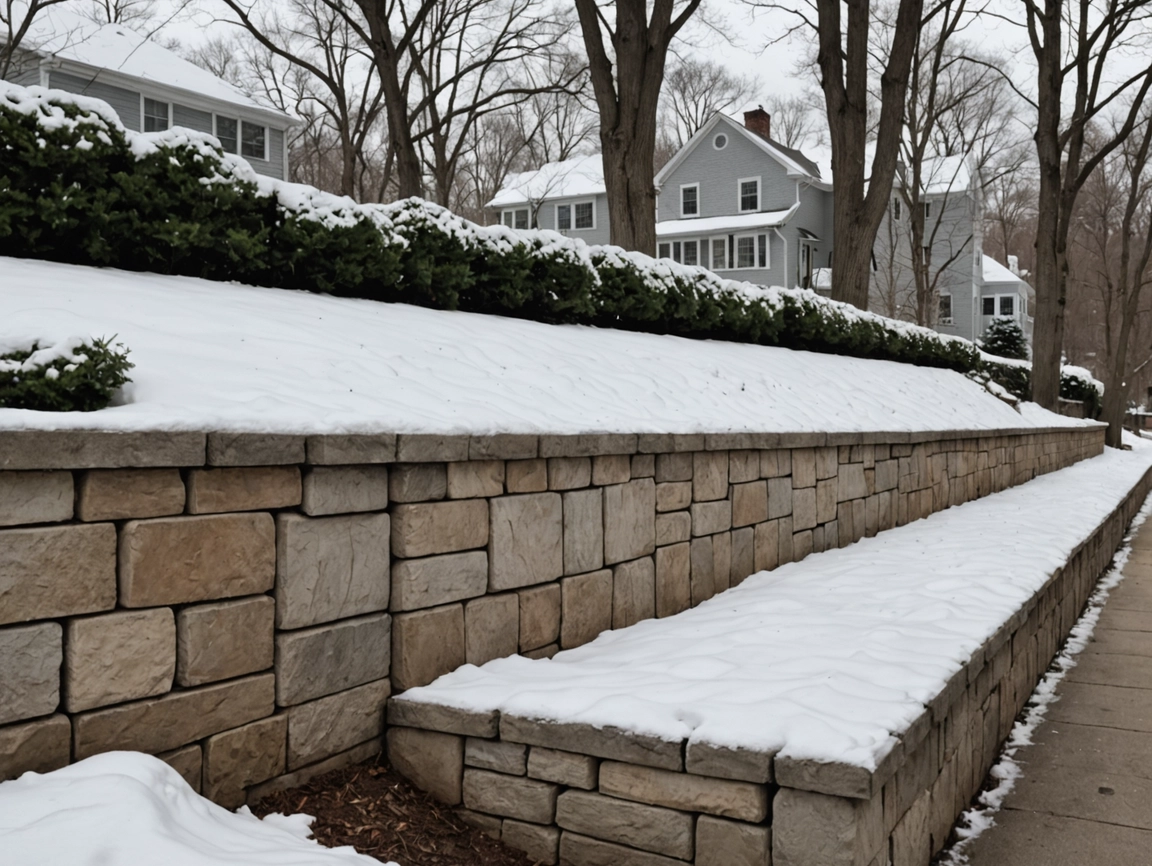
Toggle Strengthen and protect your walls against freezing in Long Island. Trust a reliable retaining wall builder in Long Island for expert care and support.
Introduction
Once temperatures start to shift and cold nights arrive on Long Island, it’s smart to think about what parts of your outdoor space need a little extra attention before winter. Retaining walls, in particular, can take a beating during the freeze-thaw cycles that are typical in this area. Without proper prep, snow, ice, and water buildup can turn a small problem into a major repair job by spring.
Whether you’re dealing with a large retaining wall that supports a slope or a smaller decorative one along a garden bed, cold weather doesn’t discriminate. Ice expands, water gets trapped, and weak spots get worse. Getting ahead of these issues not only keeps your wall standing firm but helps protect everything it supports, from soil and plants to walkways and patios. Before the first deep freeze hits Huntington, it’s a good time to run through a few key steps for stronger, longer-lasting walls.
Inspecting For Damage
A good place to start is taking a close look at how your current wall is holding up. Even if everything looks fine from a distance, small issues can hide in plain sight. Winter is not kind to damaged masonry or poorly fitted blocks, so catching these problems now makes a big difference.
Here’s what to check for around your retaining wall:
– Cracks: These can show up as thin lines or wide gaps and may get worse as temperatures drop.
– Leaning or Shifting: A wall no longer standing straight is a major red flag. Something underneath or behind it might be failing.
– Bulging Areas: These usually mean pressure is building from behind the wall, often from saturated soil.
– Loose or Gapped Joints: Mortar coming out of the joints or bigger spaces between blocks can allow water in, which may then freeze and expand.
You won’t need to dig anything up. Just walk the length of the wall during the day when it’s bright. Run your hand over the surface to feel for soft spots or rough patches. If anything looks out of place, it’s worth having it checked more closely. Even if there’s no visible damage, walls that are older or have been through several winters without any maintenance could still be hiding trouble beneath the surface.
Reinforcing The Structure
Once damage is spotted, or if a wall is older and you’re not sure how well it was built, reinforcing might be your best next step. Winter weather can place added stress on both old and new walls, especially when water seeps in and freezes. That push from frozen soil can act like a slow, steady wrecking ball.
There are several ways to reinforce a retaining wall before it goes through another freezing season:
1. Add Rebar or Steel Supports: If the wall is concrete or block-based, rebar inserts along with concrete filling can help keep it in place. These supports are often hidden inside, but they make a major difference in strength.
2. Install Geogrid Mesh: This looks like a plastic netting and gets layered during new installs. In some cases, it can be added to support an existing wall. It ties the wall to the soil behind it, keeping both from shifting.
3. Rebuild Weak Sections: If one area keeps cracking or bulging, it’s better to rebuild that part before snow arrives. Fixing a section now is easier and more affordable than fixing the whole thing later.
4. Apply New Drainage Tiebacks: Tiebacks are anchors that run from the wall to a strong point behind it. These help hold the wall upright under pressure from heavy winter soil.
Reinforcing might sound like a big job, but it keeps small problems from getting worse. Once water starts to freeze behind or beneath a wall, every weak point becomes an invitation for cracks and collapse. Taking action now could mean avoiding major repairs once the snow melts.
Improving Drainage
Drainage is a key factor when it comes to the longevity of retaining walls. When water accumulates behind the wall, it can exert immense pressure and lead to structural failure. This is especially concerning when temperatures dip below freezing, as trapped water can freeze and expand, causing the wall to crack or bulge.
To improve drainage, consider these effective strategies:
– Install Drain Pipes: Perforated pipes installed behind the wall help channel excess water away from the structure. By guiding water to a safe exit point, these pipes prevent water buildup and reduce pressure on the wall.
– Use Gravel Backfill: Replacing some of the soil behind the wall with gravel or crushed stone allows water to flow more freely, reducing the likelihood of it becoming trapped. This material promotes good drainage and lessens stress on the wall.
– Check and Clean Existing Drains: If your wall already has drainage systems in place, it’s important to ensure they’re functioning properly. Clear away any blockages, like leaves or dirt, that might prevent water from exiting through these paths.
– Slope the Ground Correctly: Make sure the surrounding landscape is sloped away from the wall. A gentle incline directs water away, rather than letting it pool near the base where it can cause the most damage.
Proper drainage is like a safety net that keeps both visible and hidden aspects of the wall in check. By managing water effectively, you not only extend the life of your retaining wall but also maintain the stability of the terrain it supports.
Sealing And Protective Coatings
Sealing is another important step in preparing your retaining wall for winter. Protective coatings serve as a shield, keeping moisture from penetrating deep into the structure where it can freeze and cause expansion. These treatments create a barrier that helps keep water out.
Here’s how sealing helps your retaining wall:
– Moisture Barrier: Applying a high-quality sealant to the surface of the wall can prevent water from seeping in. These coatings are particularly useful for porous materials like concrete and stone that might otherwise absorb moisture.
– Easy Maintenance: Sealed walls repel dirt and debris more effectively, making them easier to clean and maintain. This helps in quickly spotting potential problems, like cracks or discoloration.
– Long-Term Protection: A good sealant won’t just protect your wall during winter. It also minimizes wear and tear throughout the year by providing a hardy defense against the elements.
Applying a sealant might seem like a small measure, but it has a big impact on the wall’s resistance to extreme conditions. For existing walls, a thorough cleaning is necessary before sealing. This ensures any dirt or organic matter doesn’t get trapped under the coating.
Getting Your Retaining Wall Winter-Ready
As winter approaches, taking the time to prepare your retaining walls can save you from headaches down the road. By ensuring proper inspection, reinforcement, drainage, and sealing, you’re setting your walls up for success against harsh weather conditions. Just like a well-prepared car faces icy roads with confidence, a properly maintained wall withstands winter challenges with ease.
Regular check-ups and timely interventions make a big difference. A small investment of effort now leads to lasting benefits, keeping your outdoor space both safe and attractive. Preparing your retaining walls with these simple yet effective steps means they’ll continue to provide stability and beauty for years to come.
If you’re looking for a reliable retaining wall builder in Long Island to help protect your landscape through winter and beyond, Pure Masonry & Landscape Contractors is here to help. Our team ensures your outdoor features stay strong and functional no matter the season. Learn more about how we can support your property by exploring our retaining wall builder in Long Island.