Table of Contents
ToggleFix patio issues in Long Island before winter hits. Discover tips for effective patio inspection, cleaning, repair, and patio installation.
Introduction
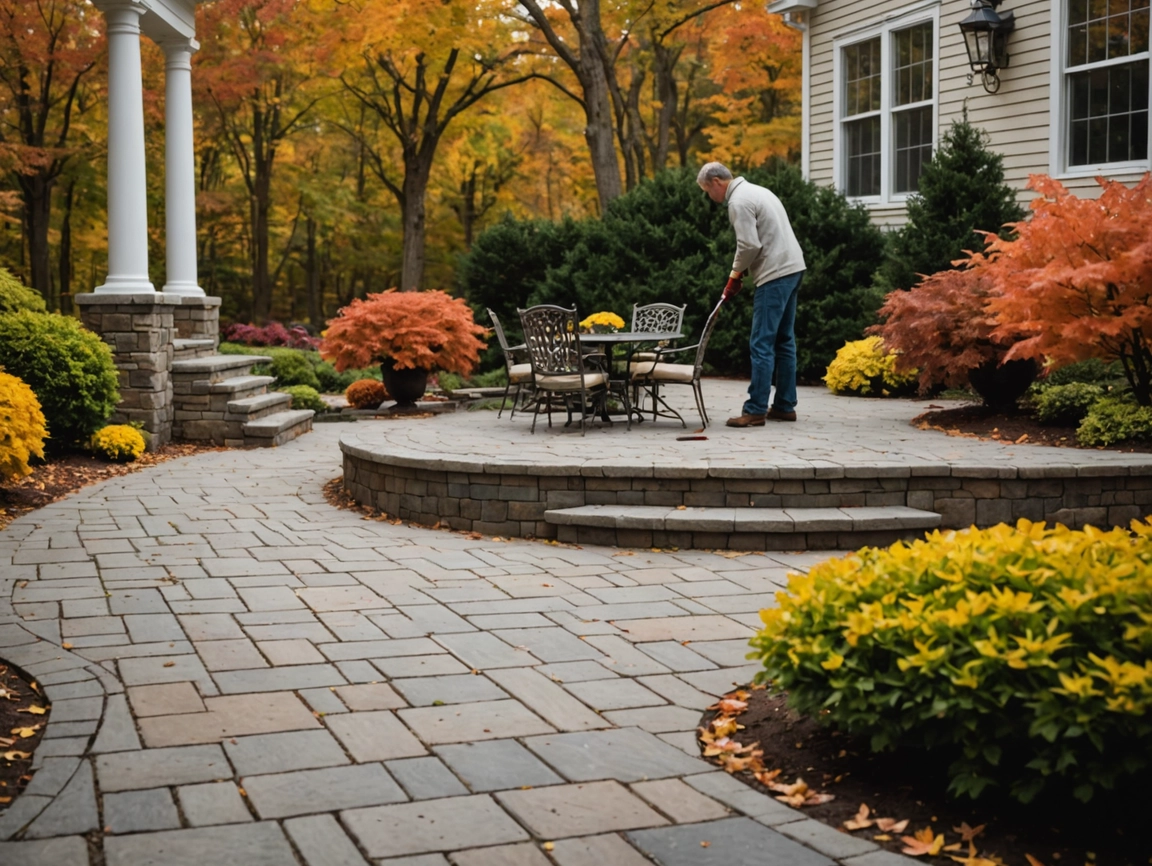
Fall on Long Island is when people start winding down their outdoor activities and getting their homes ready for the colder months. One area that often gets overlooked is the patio. Whether it’s made of pavers, concrete, or stone, this space takes year-round wear and tear. Once winter sets in, any existing damage can quickly worsen. Freezing temperatures can cause water to expand in even the smallest cracks, turning minor issues into major problems by spring.
If your patio isn’t in great shape, now’s the time to fix it. Huntington winters can be brutal, and the constant freeze-thaw cycle does a number on outdoor surfaces. Even newer patios can start to show signs of stress if drainage isn’t working or if sealants are starting to break down. When it comes to long-lasting solutions like patio installation in Long Island, acting before winter locks in the damage can save both time and money.
Identify And Inspect Common Patio Issues
The first step toward winter preparation is a simple inspection. A careful walkaround of your patio can help spot problems early. Even if nothing stands out at first glance, certain signs point to deeper troubles.
Look out for:
– Cracks running across the surface or between pavers
– Areas sinking or feeling uneven when walked on
– Pavers that have shifted or become loose
– Stains or discoloration that suggest poor drainage or trapped moisture
Cracks may seem like a minor cosmetic issue now, but once water gets in and freezes, it can expand and make those cracks much worse. Sinking areas can collect water, snow, and ice, which adds weight and causes adjacent areas to shift over time.
To make your inspection more effective, use a straight board or level to scan the surface. Uneven spots become much more noticeable this way. Puddles that don’t drain quickly or water flowing toward your house may also signal a drainage issue you can’t ignore.
Older patios or those that have been through multiple winters without maintenance are especially at risk. Taking the time to find and fix these issues now will make things much easier when the temperature drops.
Cleaning And Sealing
Once you’ve assessed the damage, your next move is cleaning. Surface prep is key before doing any sealing or repair work. Skipping this step can lead to sealing in dirt, mold, and moisture, which makes everything worse.
How you clean your patio depends on the material:
– Concrete: Use a low-pressure washer with a surface cleaner attachment
– Pavers: Scrub between joints with a stiff broom or brush to remove mildew and debris
– Natural stone: Stick to gentle soap and water to avoid surface damage
Avoid harsh chemicals. They can break down the bonding material between pavers or damage the finish on stone surfaces. After cleaning, let everything dry for at least a day before moving on. Any leftover water under a sealant can cause peeling or mold problems down the road.
Sealing is one of the most effective ways to protect your patio against snow and freezing rain. It helps prevent water absorption, reduces color fading, and keeps the patio materials bonded and stable through freeze-thaw cycles. Choose a breathable, weather-resistant sealant and apply it evenly across all exposed areas.
You might not need to reseal each year, but if the sealant looks worn or patchy, a fresh layer before winter will make a big difference.
Repair Cracks And Replace Pavers
As the temperature starts to drop, now’s the time to patch up those cracks and swap out any damaged pavers. It’s much easier and quicker to handle these issues in the fall than during or after winter when damage tends to multiply.
For crack repair, pick a good-quality sealant and carefully fill in any gaps. This helps keep water out and stops cracks from getting worse.
To replace pavers, here’s what to do:
1. Use a flat tool to gently lift the damaged paver without disturbing its neighbors.
2. Level the base underneath so the new one sits flat.
3. Place the new paver and tap it into place.
4. Fill gaps with sand and sweep it firmly between joints to hold everything in place.
Even if these seem like straightforward fixes, some patios may have problems that go beyond a simple swap. For those, professional help is the better choice to make sure the repair holds up long-term.
Ensure Proper Drainage
Drainage problems can ruin even the best-looking patio. Water that sticks around doesn’t just cause slippery spots or puddles. Over time, it can lead to mold growth, shifting pavers, and even foundation issues for your home.
Use this checklist to evaluate your patio’s drainage:
– Does water pool after a rainstorm?
– Are there soggy patches near the patio edges?
– Do you see algae or moss growing in shady areas?
A proper drainage fix may involve regrading, adding gravel layers, or installing systems like French drains. By improving how your patio channels water, you keep it in better shape during heavy rains and snow melts. This means fewer freeze-related problems during the winter and less maintenance to worry about in spring.
Prepare For Heavy Snow And Ice
Once winter storms are on the horizon, it’s time to give your patio some extra protection. Being proactive can keep damage from happening in the first place and save a lot of work when the snow melts.
Here are some easy steps:
– Use a tarp or thick outdoor rug to protect the surface before snowfall begins.
– Clear snow using a plastic shovel or snow broom built for delicate surfaces.
– Skip rock salt. It can corrode pavers and soil. Try magnesium chloride instead—it’s less harsh and still gets the job done.
Covering up vulnerable areas and choosing the right removal tools makes a big difference. These steps keep the surface intact and reduce the need for heavy repair work once winter ends.
Partner With Pure Masonry & Landscape Contractors
Staying ahead of winter patio problems usually comes down to inspection, cleaning, sealing, and repair. A well-kept patio stays safer, looks better, and lasts longer through the toughest cold spells. But if you’re short on time or unsure of what needs to be done, expert help can make a big impact.
Pure Masonry & Landscape Contractors specializes in everything from small fixes to full patio installation in Long Island. Whether your patio needs drainage upgrades, crack repairs, or sealing before winter, our team is ready to help. Let us get your space in top shape for the season.
Ready to make sure your patio is looking great before colder weather rolls in? Let Pure Masonry & Landscape Contractors take care of everything from small fixes to full transformations. If you’re thinking about a new look, we can help with your next patio installation in Long Island. Reach out to our team today and keep your outdoor space inviting year-round.