
Table of Contents
ToggleKeep your landscape healthy with expert tips for winter maintenance. Discover effective landscape maintenance in Long Island to ensure year-round beauty.
Introduction
Winters in Long Island aren’t exactly gentle on landscapes. Between freezing winds, ice storms, and heavy snow, your yard has to deal with a lot. The cold sets in fast by mid-November, and by then, anything that isn’t handled properly can start to show signs of stress. Lawns can weaken, delicate shrubbery could break under heavy snow, and outdoor surfaces might even face damage from all that moisture.
That’s why prepping your landscaping in advance is worth the effort. If you live in Huntington or anywhere else across Long Island, taking the right steps in the fall can keep your lawn, plants, and outdoor features looking strong once spring returns. Here’s where to start when you’re trying to protect your landscaping from winter weather.
Preparing Plants and Lawn for Winter
Getting your yard ready goes beyond raking leaves and calling it a day. There are a number of things you can do to give your plants a better shot at surviving the cold months with less damage. And it’s always better to do this before the first solid frost hits.
Here are a few smart steps to take:
– Prune trees and shrubs carefully. Avoid heavy pruning too close to winter. Focus on removing weak, damaged branches, especially anything likely to snap under snow or ice. Over-pruning can stress some plants, so keep it light.
– Apply mulch around plant bases. A couple of inches of mulch helps protect roots from freezing temperatures and moisture loss. It also slows temperature swings in the soil, giving roots more stability.
– Change your mowing routine. Start mowing your lawn slightly shorter in the last few cuts before winter. This helps prevent issues like snow mold while also keeping the grass strong enough to bounce back in spring.
It helps to walk around your yard and look for signs of plants needing extra help. Shrubs near driveways or walkways may be more exposed to salt or snowbanks and need burlap wraps or protective barriers. For example, holly bushes near pavement don’t do well with salty runoff from melting snow, so placing a small border around them can save you a headache next season.
Protecting Hardscape Features
Your outdoor furniture and hardscape surfaces also take a hit during winter. From freeze-thaw cycles to water damage, there’s a lot that can go wrong if you don’t prep those areas ahead of time. Taking care of your patios, walkways, and furniture can make a big difference come spring.
Here are a few protective steps for your hardscape areas:
– Cover and store outdoor furniture. If possible, move items like grills, cushions, and tables into a shed or garage. If you need to leave things outside, use waterproof covers and strap them down securely.
– Seal stone and concrete surfaces. Applying the right sealer helps reduce water penetration. This extra layer can limit how much water gets into small cracks and freezes, which often causes chipping or crumbling.
– Check for and fix drainage issues. Make sure water isn’t pooling near paver joints or at the base of retaining walls. If snowmelt has nowhere to go, it could seep into crevices and expand when refreezing.
Fall is the best time to look at where your hardscapes stand before winter does a number on them. Don’t skip this step. It’s a lot easier to deal with small repairs now than a full patio overhaul in late spring.
Watering and Irrigation Tips
Watering during the colder months can be tricky, but staying on top of it is important to prevent damage. Getting your irrigation system ready for winter can make a big difference between plants bouncing back or struggling once spring comes.
Consider these tasks for your winter watering needs:
– Winterize your irrigation system. Drain your sprinkler lines to prevent freezing. This step helps avoid cracks and damage to pipes. Shut off the main water valve and drain any excess water from the system.
– Maintain moisture levels. While too much water in winter can lead to issues, dry soil has its own problems. Try to keep soil around plants nice and moist before a big freeze to help insulate roots. If a big rain is coming, hold off on watering.
– Use anti-desiccant sprays. These sprays help evergreens and other plants keep moisture in their leaves during cold, windy days. It’s like giving shrubs and trees a bit of added protection while they ride out the season.
Your winter watering approach may need to shift depending on weather patterns. Keep an eye out for long dry spells or unexpected warm-ups that dry out the soil. On milder days, take a few minutes to walk around and make sure plants are stable and not overly dry.
Dealing with Snow and Ice
Snow and ice can be beautiful, but they’re not always friendly to your yard. Protecting your landscape from heavy buildup and winter melt can really reduce the chance of damage.
Here are some helpful steps you can take:
– Brush off light snow with a broom or use a leaf blower for gentle clearing around delicate plants.
– Use plant-safe de-icing products for walkways and driveways. Traditional salt can stress plants and leave stains or erosion on your hardscape materials.
– Keep snow piles away from the base of trees and shrubs. Heavy piles can bend young branches or weigh down limbs until they break.
– Be mindful of where you throw shoveled snow. Avoid building large banks over garden beds or next to foundation plantings.
When snow is handled the right way, it’s less likely to create long-term problems. Your walkways stay safe, and your greenery doesn’t get buried under repeating cycles of snow dumping and freezing.
Practical Maintenance Through the Winter
Winter can feel quiet, but there’s still maintenance work to be done to keep things in working order. A bit of consistent care goes a long way when temperatures drop.
Here are some things to stay on top of:
– Do regular checks for signs of damage or stress. Look especially at plant branches, drainage spots, and any places where water looks like it might pool.
– Schedule professional landscape visits. Experienced crews can spot issues before they snowball and help manage anything from pruning to snow removal without hassle.
– Take small steps between storms. Clear away debris, nudge snow off branches if it’s safe, and toss a bit of salt-alternative if your paths get slick.
These bite-sized maintenance habits during winter help stop minor issues from becoming major repairs in the spring. With weather constantly shifting, staying on your toes gives your yard better odds for a healthy recovery.
Embrace Winter Landscapes in Long Island
Just because it’s cold doesn’t mean your yard has to lose its charm. Some plants and features can turn a typical winter lawn into something truly eye-catching.
Try adding some seasonal touches:
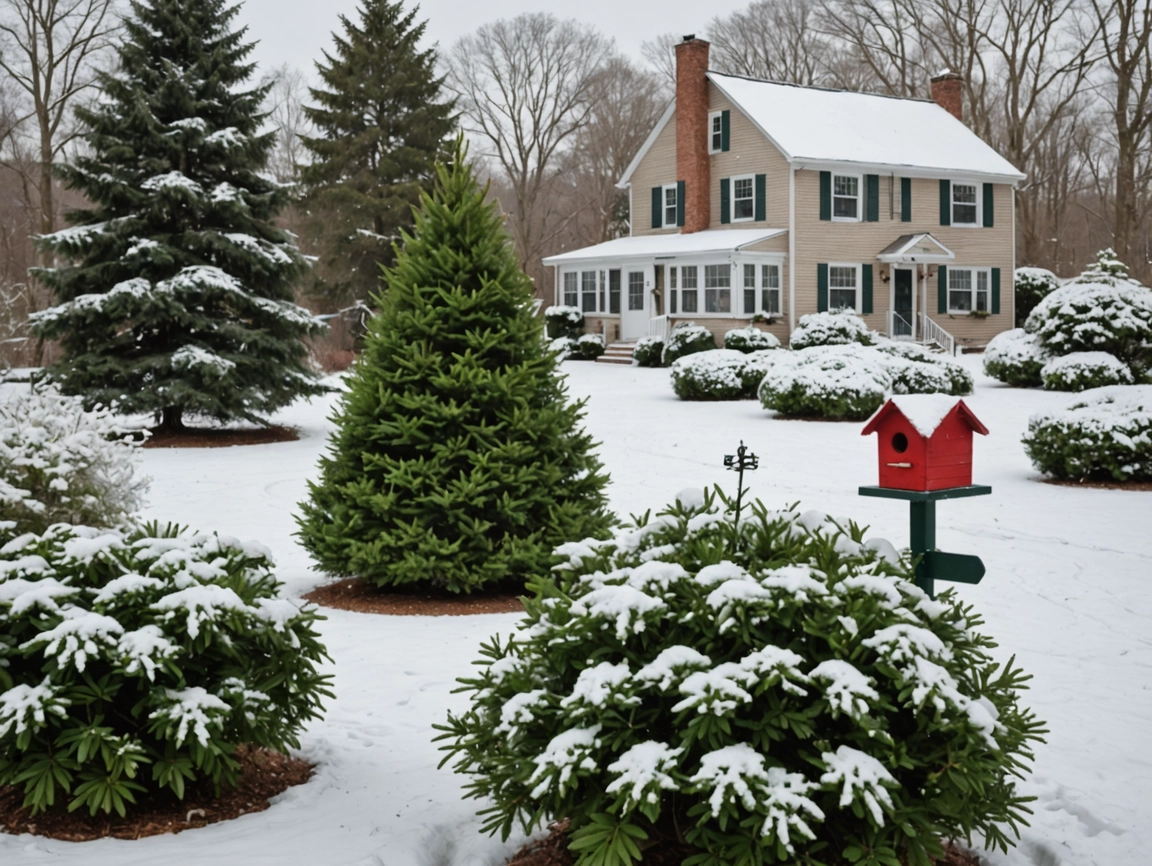
– Evergreens are a reliable source of color all season long. Their green tones can stand out beautifully after snowfall.
– Include plants like winterberry or red twig dogwood, which hold strong color even in freezing conditions. Their shapes and hues can make a difference in a sparse yard.
– Decorate with birdhouses, feeders, or garden sculptures. They offer visual appeal while supporting the local habitat too.
Even the quieter months of the year have a kind of magic to them. With a little effort and seasonal choices, your landscape can still shine when the rest of the neighborhood goes dull. Keeping your outdoor space cared for now means less work later and way more pride every time you see it from your window.
As winter takes its toll on your landscape, keeping it in top shape becomes important for preserving its beauty and function. For reliable landscape maintenance in Long Island during the colder months, Pure Masonry & Landscape Contractors is here to help. Our experienced team provides thoughtful care to protect your outdoor spaces so they stay healthy and attractive year-round. Let us help you get the most out of your landscape through every season.


