
Table of Contents
ToggleDiscover effective drainage and grading services in Long Island to protect your yard from erosion. Keep your landscape beautiful and safe with expert help.
Introduction
Yard erosion isn’t just something that “happens.” It usually starts small and gradually wears away parts of your landscape without much notice. Before long, you might see patches of exposed soil, dips in the lawn, or worse, issues near your home’s foundation. This can be a significant problem, especially in places like Huntington, where summer storms and uneven terrain make erosion more likely.
The good news is there are reliable ways to stop erosion before it causes lasting damage. Whether you’re facing standing water, bare slopes, or thin topsoil, every yard has spots more vulnerable than others. Knowing what leads to erosion and how to handle it is the first step to a healthier yard. With the right planning and help from drainage and grading professionals in Long Island, you can restore and protect your outdoor space.
Identify Erosion-Prone Areas
Not all areas of your yard pose the same risk. The biggest problem areas are usually slopes, low spots, or any section where water tends to sit or run off quickly. Identifying these weak points early can prevent a lot of damage down the road.
Here are the most common signs of erosion:
– Bare or thinning grass, especially on hills
– Small channels carved into the soil after rain
– Water pooling or draining very slowly in certain spots
– Roots sticking out or mulch getting washed away
– Sediment collecting on hard surfaces like driveways or walkways
These warning signs might seem minor at first, but ignoring them will only make the problem worse. Left untouched, erosion can spread into nearby gardens, flower beds, and even compromise structures like patios or walkways.
One Huntington homeowner noticed a section of their lawn that never seemed to hold grass. After a few storms, that area became a runoff path leading directly to their patio. Only when they saw muddy runoff collecting across the pavers did they realize they needed more than seed—they needed a solution that actually redirected water.
Start by walking your property after rainfall. Note any obvious changes or spots where water lingers. Taking photos and keeping an eye on these areas will give you a clearer picture of where to focus.
Implementing Drainage Solutions That Work
Once you’ve found your problem spots, it’s time to focus on drainage. When water has no place to go, it finds its own way—often through your garden, your lawn, or up against your house. That’s why good drainage is one of the most reliable ways to get erosion under control.
Consider these common drainage solutions:
1. French Drains – These use gravel and a buried pipe to move water underground and away from problem areas.
2. Dry Wells – These act as holding areas for excess runoff, slowly letting the water absorb into the ground.
3. Channel Drains – Installed at surface level to capture and redirect water that flows across the yard.
4. Swales – Shallow, grassy ditches that carry water away in a controlled manner.
5. Downspout Extensions – Direct water from your gutters further from your home’s foundation.
Each of these options serves a specific need. A dry well might work for a flat spot that gathers water, while a swale is better suited for guiding water along a property line. The key is to match the system with the patterns on your property.
Installing the wrong solution can lead to more problems. Moving water to your neighbor’s yard, for example, or sending it underground too close to your home can backfire. That’s why drainage plans should be based on your particular yard’s grade, layout, and risk points. Done right, these systems don’t just solve current problems—they help prevent future ones.
Many drainage systems are hidden once finished, like underground piping or buried dry wells. While they might not change the look of your yard, they absolutely improve the way it functions when storms roll through.
Grading Your Yard for Optimal Water Flow
Drainage handles water once it’s moving, but what about controlling where it flows? That’s where proper grading comes in. Yard grading shapes your land with gentle slopes so that water naturally moves in a safe direction—usually away from the house and plants that could suffer from too much moisture.
To set up an effective grading strategy:
1. Identify where water should go and where it’s currently causing trouble
2. Clear out obstacles like debris or overgrown vegetation
3. Raise or lower soil levels to create smooth, gentle slopes
4. Finish by smoothing the soil so water can flow evenly
It sounds simple, but even small mistakes—like making the slope too steep or pointing it in the wrong direction—can lead to poor results. That’s why experienced grading contractors make a difference. They know how to achieve just the right balance to protect your yard without disrupting its appearance.
Grading is especially helpful when your yard has multiple features like patios, retaining walls, or gardens. It brings harmony between all the elements by making sure water flows around them, not into them.
Using Vegetation and Ground Cover
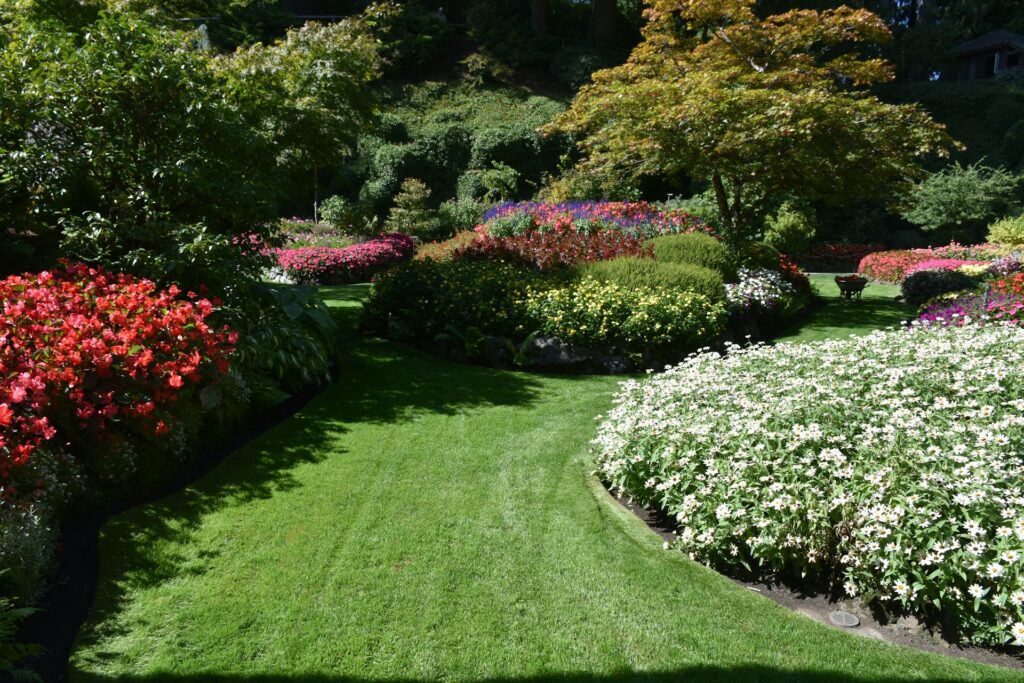
If you’re looking for ways to boost erosion control while keeping your yard looking great, think green. Plants, shrubs, and ground cover not only improve curb appeal but also anchor soil in place and slow down flowing water. They work with drainage and grading to create an all-around stronger landscape.
Here are some excellent plant choices that help fight erosion:
– Native grasses grow deep roots that hold soil even on slopes
– Shrubs bring structure and grow thick enough to block surface runoff
– Ground covers spread quickly to carpet bare sections of soil
Planting dense greenery along hillsides or near drainage areas helps slow water down before it has a chance to wash away soil. A layering approach works best. For example, a mix of shrubs behind a patch of spreading ground cover can double up as protection and design.
Working with experienced landscapers makes it easier to find vegetation that suits your yard’s soil, sunlight, and slope conditions. Professionals also plan out layouts that combine looks and practicality, giving you a solution that does more than sit pretty.
Maintaining Erosion Control Measures
The work doesn’t stop once you’ve dealt with the initial erosion. Keeping your yard safe long-term means continued maintenance. Nature never takes a break, and neither should your monitoring and care efforts.
Simple ways to stay on top of erosion control include:
– Cleaning drainage lines and pipe outlets after storms
– Replacing mulch that has washed away
– Checking slopes and swales to make sure they’re still flowing correctly
– Watching for root exposure or bare patches in vegetation
Plant growth sometimes needs a bit of guidance too. Trim overgrown bushes so they don’t block natural runoff, and make sure ground covers still connect well with nearby soil. These visual cues can tell you a lot about whether your solutions are still working effectively.
Every once in a while, it’s a good idea to have your yard reevaluated by a professional. Their trained eye can spot small shifts or signs of return erosion before they get out of hand. This type of strategic upkeep goes a long way in keeping future repair costs low and yard conditions stable.
Protect Your Yard from Further Erosion
Erosion doesn’t go away on its own, but you have options for beating it. Smart drainage designs, proper yard grading, and smart plant choices all come together to create a yard that stands up to rain, wind, and time.
The key to long-term success is staying alert. Watch how water moves across your landscape and make improvements gradually. Stay consistent with maintenance and don’t put off small fixes. With the right help and ongoing attention, your yard can be both beautiful and built to last.
Choosing to protect your yard’s health and beauty is an investment that pays off over time. If you’re looking to improve water management and prevent landscape damage, explore our drainage and grading services in Long Island. Pure Masonry & Landscape Contractors provides expert solutions tailored to your property’s needs, helping you enjoy a yard that’s both attractive and built to last.