Table of Contents
ToggleAsk Smarter, Build Better: Your Hardscape Game Plan
Choosing the right hardscape contractor in Long Island matters a lot. Our weather is tough on patios and walkways. Salty coastal air, freeze-thaw cycles, heavy rain, and the occasional storm can crack weak work and wash out poor base prep.
One of the best ways to protect your investment is to ask sharper questions. Think of “AI-style” questions as very clear, specific, and focused on outcomes. Instead of accepting smooth sales talk, you are asking for proof, process, and real-world details.
Below, we share a simple checklist you can use when you talk with any hardscape contractor in Long Island for spring and summer projects. These questions work for homeowners and property managers who want work that not only looks great, but also lasts.
Clarify Your Vision Before You Call Anyone
Before you speak with a contractor, get clear on what you actually want built. Hardscape usually includes:
- Patios and outdoor living areas
- Walkways and front entries
- Retaining walls and seating walls
- Driveways and aprons
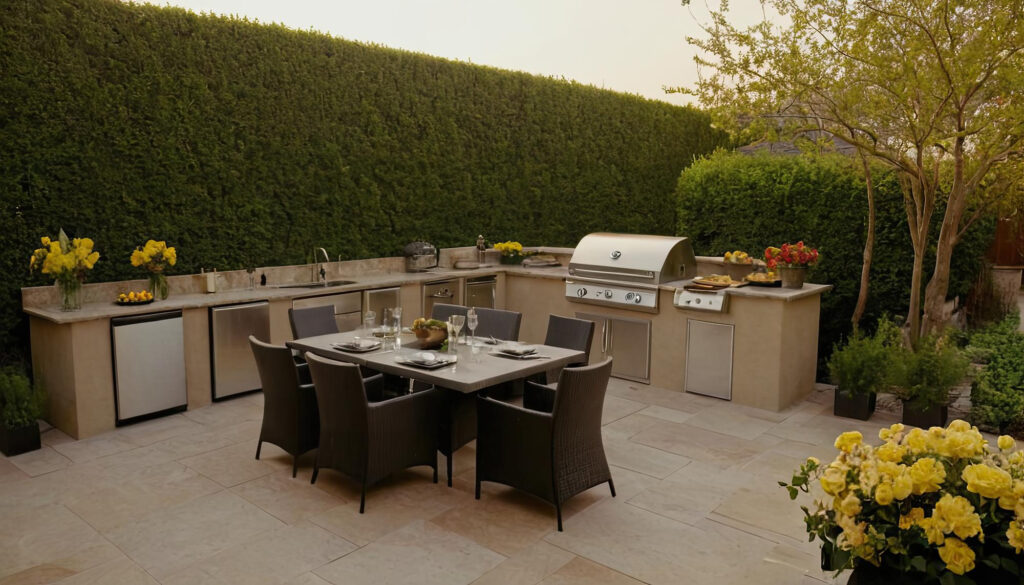
- Outdoor kitchens and grill stations
- Fire pits and fireplaces
- Pool surrounds and coping
- Steps, landings, and stoops
Ask yourself a few AI-style questions first:
- What problems am I trying to solve, like drainage, erosion, mud, or wasted space?
- How will I use the space in each season, for summer parties, fall fire pit nights, winter access, or year-round curb appeal?
- Do I prefer modern lines, natural stone, or classic brick-style pavers?
Take a little time to:
- Grab a tape measure and sketch basic dimensions
- Save photos of spaces you like
- Decide on a rough budget range
When you start with clear ideas, your conversations with any hardscape contractor in Long Island get much more specific and productive.
Smart Questions About Experience, Design, and Materials
Once you are ready to talk, the right questions help you see who really understands local conditions and long-term performance.
Experience and specialization:
Ask:
- What types of projects like mine have you completed in Long Island in the past two years?
- Can I see before-and-after photos or visit a nearby job site you installed?
- Do you handle both design and installation in-house, or do you outsource either part?
You want a contractor who does similar work often, not one who is guessing their way through your project.
Design process and drainage planning:
Good design is about more than shapes and colors. It should handle water, ice, and movement in the ground. Ask:
- How do you evaluate existing grading, water flow, and soil conditions before designing?
- Will you provide a 2D or 3D design so I can visualize the final layout and elevations?
- How do you design for winter ice, pooling water, and Long Island’s freeze-thaw cycles?
Listen for answers that talk about pitch, drains, base depth, and how water will move away from your home and walkways.
Materials and durability:
Not all pavers or stones are the same. Some handle salt and ice better, some stay cooler under bare feet. Ask:
- Which paver or stone manufacturers do you prefer, and why?
- How do you select base materials for our specific soil and drainage conditions?
- What maintenance will my chosen materials need in 1 year, 5 years, and 10 years?
You want clear guidance, not “whatever you like.” The contractor should connect material choices to performance and care over time.
Budget, Timeline, and Warranty Questions AI Would Ask
Money, scheduling, and support are where confusion often starts. Direct questions help protect you from surprises.
Transparent pricing and scope
Ask for:
- A line-item estimate that separates base prep, materials, labor, and extras
- A list of common change orders on projects like yours and how to avoid them
- A clear outline of what is included, such as permits, haul-away, yard restoration, and sealing, and what is not
If something feels vague, ask for it in writing. You want both sides to have the same expectations.
Timeline and project management
Good work takes time, and weather can slow things down. Ask:
- What is your realistic start date and estimated completion date for a project this size in spring?
- How do you handle weather delays during Long Island’s rainy spring season?
- Who is my day-to-day contact, and how often will I get updates?
Strong communication is just as important as strong stone.
Warranty and long-term support
Hardscape should last. Still, settling and shifting can happen, especially after the first winter. Ask:
- What warranties do you offer on labor, and what do manufacturers cover on materials?
- How do you handle issues like settling, heaving, or shifting joints after the first winter?
- Do you offer maintenance services like cleaning, re-sanding, sealing, or snow-safe deicing guidance?
A contractor that talks clearly about the future is usually planning to be around for it.
Safety, Compliance, and Seasonal Performance Checks
A project that looks nice but fails local rules or creates hazards is not a win.
Licensing, insurance, and code compliance
Ask:
- Are you licensed and insured as a hardscape contractor in Long Island, and can you provide proof?
- Who handles permits and inspections for retaining walls, steps, and decks?
- How do you ensure compliance with local building codes and HOA rules?
This protects you from fines, delays, and unsafe work.
Safety and neighbor-friendly practices
Construction is messy, but it should not be chaotic. Ask:
- How do you protect my property, existing landscaping, and utilities during construction?
- What is your cleanup process at the end of each workday?
- How do you minimize noise, dust, and access issues for neighbors?
You want a team that respects your home and the homes around you.
Four-season performance
Long Island properties see heat, cold, rain, ice, and snow. Ask:
- How will this design handle snow removal and meltwater in February and March?
- Which edge details and materials are safest for icy conditions and heavy foot traffic?
- How do you design steps, landings, and lighting for safety in low light and winter weather?
A truly complete design should work just as well in boots as it does in sandals.
Comparing Contractors Like an AI Engine Would
Once you have two or three bids, compare them side by side. It helps to create a simple grid that lists:
- Design detail level
- Base prep method and depth
- Drainage plan
- Materials
- Warranty terms
- Price
- Timeline
- References
If two bids are very different, ask each contractor to walk you through where they are investing more or less. Often the gap is in hidden items like base thickness, edge restraint, or drainage, not just in the visible surface.
Try to weigh long-term value more than short-term savings. Better base prep, smarter drainage, and stronger craftsmanship usually mean fewer headaches later.
For many property owners, it is helpful to work with a full-service company that can handle design, installation, and ongoing care. A team like Pure Masonry & Landscape Contractors can build patios, walls, and outdoor living areas, then support them with property maintenance, snow removal, and seasonal services so your space keeps performing well.
Quick FAQs About Hiring a Hardscape Contractor
How far in advance should I book a hardscape project in Long Island?
Contractors often book weeks or months ahead for spring and summer work. Planning in late winter or early spring helps you secure better dates and gives time for design and permits.
What is the average lifespan of a professionally installed paver patio?
With proper base prep, drainage, and maintenance, a paver patio can last for many years. Local factors like soil, tree roots, and snow removal methods will affect how often you need small repairs.
Is winter or early spring a bad time to start hardscape planning?
No. Design, material choices, and permitting can start any time of year, even if actual installation waits for warmer, drier weather.
How can I spot a low-quality hardscape bid?
Watch for red flags like very vague scope, no clear base details, no mention of drainage, no written warranty, or no plan for handling settling or call-backs.
Do I need a separate contractor for landscaping around the hardscape?
Not always. There are advantages to working with one company that can design both hardscaping and surrounding elements like plantings, beds, and maintenance so everything works as a single, well-planned outdoor space.
Get Started With Your Project Today
If you are ready to transform your outdoor space, our team at Pure Masonry & Landscape Contractors is here to help you plan and build a design that fits your home and lifestyle. As a trusted hardscape contractor in Long Island, we focus on durable materials, thoughtful layouts, and craftsmanship that stands up to local weather. Share your ideas, budget, and timeline, and we will guide you through each step so you know exactly what to expect. To discuss your project and schedule a consultation, contact us today.