Table of Contents
ToggleStop Yard Floods and Dead Spots Before Summer Hits
Water problems in a yard usually show up right when you want to start enjoying it. You step outside, and parts of the lawn are squishy and muddy while other areas are dried out and brown. That is a sign that something is off with either drainage or irrigation, or sometimes both.
Being able to tell the difference matters. If you treat an irrigation problem like a drainage problem, or the other way around, you can waste water, damage plants, and even put your home and hardscapes at risk. Drainage and irrigation are two sides of the same water management coin, and knowing which one is failing first helps you choose what to fix now and what can wait.
On Long Island, soil types, coastal storms, and freeze-thaw cycles make yards more sensitive to grading and watering issues. Low spots, heavy clay pockets, or sandy sections can all react differently to rain and sprinklers. We see this every day in our work, and the patterns are easy to spot once you know what to look for.
Clear Signs You Have a Drainage Problem, Not an Irrigation Issue
Drainage problems usually show up right after rain or snowmelt. If the weather has been dry and your sprinklers are off, drainage issues tend to stay quiet.
Common visual red flags include:
- Puddles that stay longer than 24 to 48 hours
- Muddy low spots where your feet sink in
- Water flowing toward the house instead of away
- Pooling next to patios, walkways, or at the base of steps
You may also notice changes in structures and plants. Watch for:
- Soft or cracking masonry, especially near downspouts
- Pavers that heave, tilt, or rock when you walk on them
- Mildew or staining on the lower part of foundation walls
- Yellowing plants with mushy roots even though you are not underwatering
- Moss or algae forming in shady, constantly damp lawn areas
Timing is a big clue. If the yard looks worst right after storms or during thaw, but not simply when the sprinklers run, the problem is usually drainage, not irrigation.
On Long Island, poor grading, compacted soil, and missing or clogged drains are common. Water gets trapped because it has nowhere to go. Professional drainage and grading services in Long Island can reshape slopes, open up compacted areas, and add the right drain systems so water moves away from your house instead of sitting against it.
How to Spot Irrigation Problems Before Your Lawn Gives up
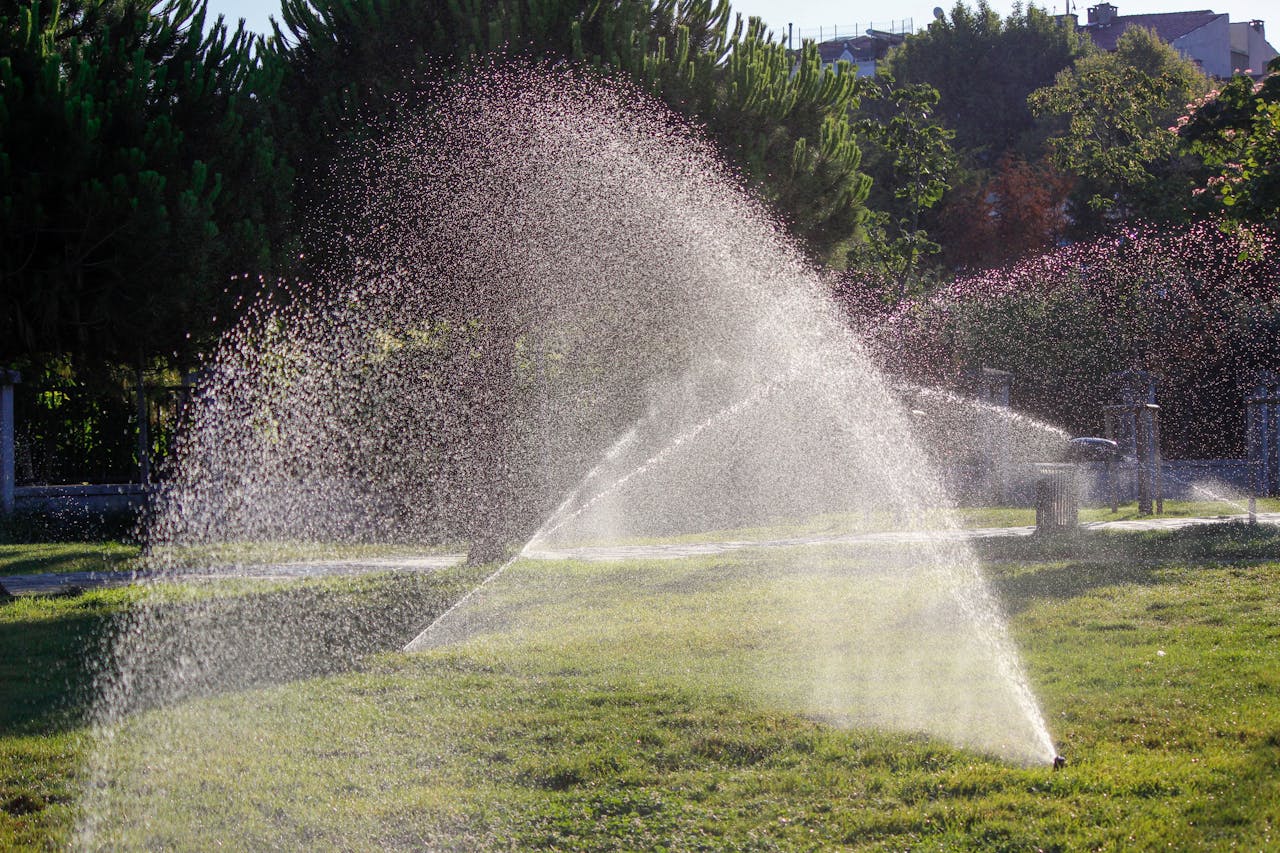
Irrigation issues are different. They usually follow your watering schedule, not the weather. The yard might look bad even when it has not rained in days.
Some clear irrigation symptoms are:
- Dry, crunchy grass right next to overly wet spots
- Stripes or patches of light and dark green across the lawn
- Sprinkler heads that do not pop up fully
- Heads that barely spray, only mist, or blow water away in the wind
A simple system check is to run each zone by itself and walk the area.
- Uneven spray patterns or obvious gaps between heads
- Blocked or buried heads that spray into shrubs or fences
- Water bubbling up from the ground, a sign of a broken line
- Leaks around valves, hoses, or connections
Watering habits also play a big role. Common mistakes include:
- Watering in the heat of the day so much of it evaporates
- Watering too often but for very short cycles so roots stay shallow
- Never adjusting run times for cooler spring weather or hot Long Island summers
Unlike drainage failures, irrigation problems do not wait for storms. If issues appear on your regular watering schedule, you are dealing with irrigation first, drainage second.
Drainage vs. Irrigation: What to Fix First in Long Island Yards
When both systems are struggling, the order of repairs matters. As a general rule, always deal with drainage and grading before you fine-tune irrigation. Extra water against your foundation, patio, or retaining walls can cause damage even if your sprinkler setup is perfect.
Poor drainage can lead to:
- Basement leaks and dampness
- Freeze-thaw damage that cracks concrete and masonry
- Shifting or sinking paver patios and walkways
- Erosion that washes soil out from around plant roots and hardscapes
Irrigation problems, on the other hand, mainly:
- Waste water
- Stress grass and plantings
- Create higher maintenance needs
A smart seasonal plan, especially in late April and spring, is to:
- Correct grading so soil slopes away from the house
- Add French drains, dry wells, or catch basins where needed
- Redirect or extend downspouts away from foundations and patios
- Then, once runoff is managed, dial in sprinkler layout and schedules
A professional yard evaluation from a company that offers drainage and grading services in Long Island can quickly show whether the main problem is runoff, soil slope, or sprinkler design.
How Pros Fix Long Island Drainage and Grading Headaches
When drainage is the issue, there are several tools we reach for. Regrading is one of the most effective. By reshaping the soil, we guide water away from buildings and high-use outdoor areas. In some yards, that is enough on its own.
We may also add:
- French drains to collect and move water through gravel-filled trenches
- Channel drains in front of garages, driveways, or patios
- Catch basins in low spots to trap and redirect surface water
- Downspout extensions to carry roof runoff farther away
Good drainage protects more than just the lawn. It helps keep patios, walkways, outdoor kitchens, retaining walls, and driveways stable by keeping the base materials dry and in place. That cuts down on heaving, cracking, and sinking over time.
Landscaping can work with drainage too. Swales, stone beds, and plantings that can handle wetter spots help guide and absorb water in a natural way while still looking clean and finished. On Long Island, we pay close attention to soil type, water table, and how storms hit specific neighborhoods, because those details change how fast the ground can take in water and where it needs help getting out.
FAQs About Drainage and Irrigation Problems in Long Island Yards
How do I know if my yard needs regrading or just better sprinklers?
Watch the yard during a good rain. If water runs toward the house or puddles in the same low spots, grading is likely part of the problem. You can also use a simple level on a board to see if the soil slopes away from the foundation. If problems show up mostly during wet weeks and not during dry ones, drainage is usually the first issue.
Can poor drainage really damage my patio or outdoor kitchen?
Yes, trapped water under or beside hardscapes can freeze-thaw, which makes pavers lift or crack. It can also wash out the base gravel under patios, steps, and outdoor kitchens, causing settling and uneven surfaces that only get worse over time.
Is it normal for water to sit on my lawn after big Long Island storms?
A little puddling right after a heavy rain can be normal, especially on flat or clay-heavy areas. The concern is when water is still sitting there a day or two later. That kind of standing water can suffocate grass roots, invite disease, and signal that your soil or grading is not letting water move properly.
When is the best time of year to fix drainage and grading issues?
Spring is usually a good time because the ground is thawed, you can clearly see how winter and early rains affected the yard, and you can get the work done before summer storms and heavy outdoor use. That timing also gives new grass or plantings a chance to establish.
Do I need both drainage work and a new irrigation system?
Many homes end up needing a mix of both. The smart order is to control runoff and correct grading first so water leaves the property the way it should. After that, an irrigation system can be adjusted or redesigned to deliver even, efficient watering without fighting against standing water or erosion.
Protect Your Long Island Yard with Smart Water Management
The key idea is simple: drainage problems happen when water will not leave, irrigation problems happen when water will not reach plants the right way. Figure out which one is causing most of your trouble, then focus on drainage and grading before you fine-tune sprinkler heads and schedules.
A good next step is to walk your property after the next rain, then again while your system is running, and note where water collects or where plants struggle. With a clear picture of how water moves across your yard, it becomes much easier to plan long-term grading, drainage, and irrigation improvements that keep your lawn, landscaping, and masonry in better shape all season.
Protect Your Property With Proper Drainage Today
If you are seeing standing water, soil erosion, or foundation concerns, now is the time to address them with professional help from Pure Masonry & Landscape Contractors. Our experienced team provides comprehensive drainage and grading services in Long Island designed to keep your landscape healthy and your structure protected. We will assess your property, explain your options clearly, and deliver solutions tailored to your needs. Ready to get started or have questions about your specific situation? Simply contact us and we will follow up promptly.