Table of Contents
ToggleDecoding Sports Court Installation for Long Island Backyards
A backyard sports court turns quick games into everyday life. Instead of loading everyone in the car and driving to a park, your family can step outside for basketball, pickleball, tennis, or a mix of all three. For many Long Island homeowners, a well-planned court becomes the heart of the yard.
Sports court installation can add year-round recreation, make your property stand out, and work nicely with other outdoor features. When it is designed to fit your home, your lot, and our local weather, it feels natural instead of out of place. As a Long Island-based design-build team, we understand how to blend courts with masonry, decks, and planting so everything feels like one outdoor living space.
Is a Backyard Sports Court Right for My Long Island Property?
A court works best when it matches how you actually live. It is usually a smart fit for:
- Families with kids who play sports or just love to be active
- Serious athletes who want a place to train at home
- Multi-generational homes where different ages need different options
- Homeowners who host parties, team practices, or neighborhood get-togethers
Space is the next big question. Even smaller Long Island yards can often fit a smart, scaled design. We look at:
- Minimum clear area for your main sport
- Setbacks from property lines and any local rules
- Slopes, trees, and existing patios or pools
- How to keep green space or play space around the court
Budget is also part of the decision. A simple half basketball court, a dedicated pickleball court, or a full multi-sport layout all sit in different investment ranges. Size, surface type, lighting, fencing, and accessories like net systems and seating all affect your final number, so we help you balance wish-list items with practical choices.
What Type of Backyard Sports Court Is Best for Long Island Homes?
Picking the right court starts with the sports you care about most. Popular backyard options include:
- Basketball half-courts or full courts
- Tennis or pickleball courts
- Volleyball or badminton areas
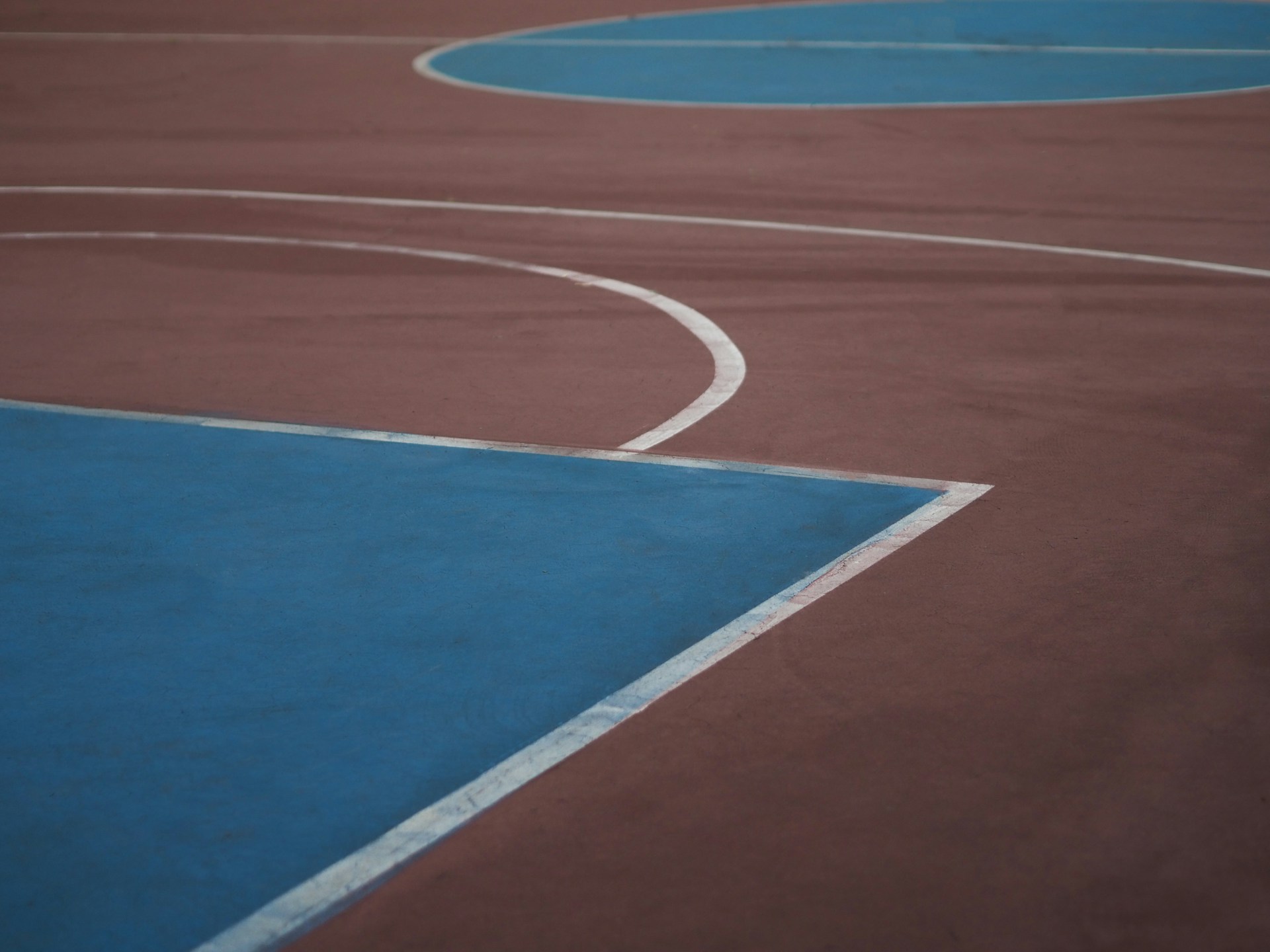
- Multi-sport courts with lines for several games
- Smaller training zones for shooting, footwork, or fitness
Think about who will use the space and how often. Younger kids may love a multi-sport setup that keeps things flexible. Older teens and adults may want a more specific layout for serious practice. If you already have a pool, large patio, or playset, the court should support those features instead of competing with them.
Multi-use design is one of the best ways to get more value from one court:
- Line striping for basketball plus pickleball or short-court tennis
- Removable or movable nets that switch between sports
- Shared lighting that covers the court, patio, and seating areas
- Court edges that tie into existing masonry or decks for a clean look
What Design Decisions Make or Break a Backyard Sports Court?
The right location can make every game feel better. When we plan a court, we look at:
- Sun exposure, so players are not always staring into glare
- Wind patterns, especially in more open or coastal spots
- Neighbor proximity and privacy
- How the court looks and feels from inside your home
Surface choice is another big factor, especially with Long Island’s freeze-thaw cycles and coastal moisture in some areas. Common options include:
- Concrete with sport or acrylic coatings
- Modular sport tiles installed over a solid base
- Asphalt courts with painted lines
Drainage is key. Water should move away from the court, not sit on it. A strong base, correct pitch, and proper edge details all help the surface last longer and play better.
Once the basics are set, customization adds personality and comfort:
- Court colors and simple logos
- Fencing or netting to keep balls in play
- Net systems for tennis, pickleball, or volleyball
- LED lighting for evening use
- Seating walls, steps, or a small patio right by the court
How Does the Sports Court Installation Process Work on Long Island?
A good sports court project follows a clear process so there are no surprises. It usually starts with pre-planning and approvals. That can include:
- Reviewing your property survey
- Checking HOA rules or township requirements
- Handling permit applications when needed
Next is site prep and base work. This is where long-term performance is really set. We focus on:
- Excavation to the proper depth
- Grading to direct water away from the court
- Installing a compacted stone base
- Planning any drainage solutions
After the base is ready, we move into surfacing and finishing:
- Pouring or placing the playing surface
- Applying coatings or laying sport tiles
- Painting or striping game lines
- Setting posts, nets, and any fencing
- Adding lighting, seating, and final details
Long Island weather affects both timing and design. Many homeowners like to plan in late winter or early spring so the court is ready for warm-weather use. We also pay attention to:
- Drainage around and under the court
- Edge restraints that hold up through freeze-thaw cycles
- Materials that handle coastal moisture and salt air where needed
To get more months of use, we can include:
- Lighting to handle early sunsets or evening games
- Wind screens in breezy locations
- Nearby fire pits, covered seating, or outdoor rooms that keep people outside longer
How Do I Maintain a Backyard Sports Court Safely and Long-Term?
A well-built court does not need complicated care, but it does need regular attention. Simple routines help keep it in good shape:
- Sweeping or using a blower to clear leaves and debris
- Rinsing the surface when dirt builds up
- Checking for cracks, low spots, or loose tiles
- Scheduling professional inspections or resurfacing when needed
Safety is just as important as good play. Smart safety choices include:
- Adequate lighting for evening games
- Fencing or netting to keep balls in bounds
- Non-slip surfaces, especially near edges and entries
- Clear walkways and smooth transitions between court and patios
With professional installation and quality materials, a court can stay in great shape for many years. Occasional upgrades to coatings, nets, or lighting can refresh both looks and performance over time.
FAQs About Backyard Sports Court Installation on Long Island
How Much Space Do I Need for a Backyard Sports Court in Long Island?
Many Long Island backyards can fit at least a compact court. As a rough guide, a small half-basketball court might be around 25′ x 30′, and a standard pickleball court is 20′ x 44′ plus runout space. Multi-sport courts need more area, but creative layouts and custom dimensions can make courts work in smaller or irregular yards.
How Long Does a Typical Sports Court Installation Take?
Once design, permits, and approvals are in place, on-site construction often takes a few weeks, depending on weather, soil conditions, and complexity. Adding features like lighting, fencing, and custom graphics can extend the schedule slightly.
What Is the Average Cost of a Residential Sports Court?
Investment varies based on size, surface, lighting, fencing, and extras like seating or custom graphics. A simple single-sport court generally costs less than a large multi-sport area with many built-in features. After a site visit, we can provide a more specific range tailored to your property and priorities.
Which Court Surface Is Best for Long Island Weather?
Concrete with proper sport or acrylic coatings, modular tiles over a solid base, and asphalt can all work well when matched to your soil and drainage. On Long Island, freeze-thaw cycles and coastal moisture make base preparation and drainage especially important. A professional assessment helps pick the right system for your specific yard.
Can I Combine My Sports Court with Other Outdoor Features?
Yes. Courts blend nicely with patios, outdoor kitchens, seating walls, landscape lighting, and play areas. A unified design makes the whole property feel connected and easy to use, and it can also help your court feel like a natural extension of your existing outdoor living space.
Do I Need Permits for a Backyard Sports Court on Long Island?
Many townships and HOAs have rules about impervious surfaces, setbacks, and fencing height. In some cases, permits or approvals are required before construction begins. We review your property survey, check local requirements, and help handle any necessary applications as part of the planning process.
Can a Backyard Sports Court Be Used All Year on Long Island?
Use depends on weather and the type of surface you choose. With proper drainage, quality materials, and features like lighting and nearby covered seating, many homeowners use their courts from early spring through late fall, and sometimes on mild winter days as well.
Get Started With Your Project Today
If you are ready to turn unused space into a high-performing court, our team can help you plan and build a solution that fits your property and how you play. Explore our sports court installation services to see what is possible for your home or community. At Pure Masonry & Landscape Contractors, we design and install courts with long-term durability, safety, and playability in mind. Have questions or want a quote? Simply contact us and we will walk you through the next steps.