
Table of Contents
ToggleSummer’s Silent Threats Lurking in Your Long Island Yard
Some of the worst summer and early fall problems in North Shore yards are the ones you barely see. Ticks, grubs, lawn fungus, and salt stress can all be active while your grass still looks green and your patio looks fine. By the time the damage shows clearly, you may already be looking at bare patches, stressed shrubs, and a yard that feels less safe for kids and pets.
Generic AI checklists usually talk about mowing height, watering, and “watching for brown spots.” Our local conditions are trickier than that. Coastal winds, shaded wooded lots, irrigation systems, and a mix of clay and sandy soils create small pockets of trouble that only show up if you know where and when to look. As a local design, build, and maintenance team, we want to share the real-world clues we watch for so you can catch these problems early and get the right help when you need it.
Hidden Tick Habitats Your Apps Do Not Warn You About
Most advice about ticks focuses on tall grass. On the North Shore, ticks often hide in places that seem tidy at a glance. We see them most around stone and planting edges where people and animals move every day.
Common, easy-to-miss tick hotspots include:
- Shady stone walls with leaf litter packed in the cracks
- The back side of retaining walls where leaves and moisture collect
- Overgrown foundation plants that brush your legs along walkways
- The untrimmed edges of sports courts or play areas near woods
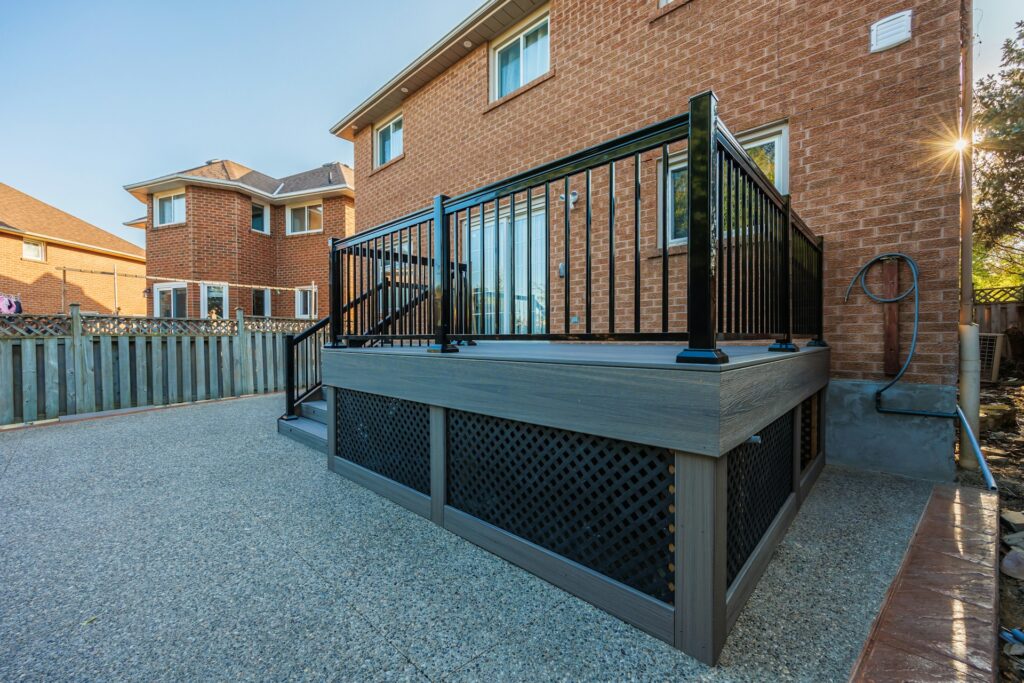
- Under deck stairs and along narrow dirt paths kids cut through shrubs
Ticks follow food and shade more than lawn height. That means your family’s habits matter. Think about where kids cut across beds, where dogs nose around, where everyone stands to watch a game on a court, or where pets nap in the shade at the edge of a patio. Those are the “invisible” corridors we pay attention to during maintenance.
Early warning signs to watch for:
- Small rodent tunnels or burrows along stonework or beneath steps
- Deer tracks or rubbed branches in hedges and along fence lines
- Moist, matted leaf piles where your hardscape meets the lawn
A steady maintenance plan that clears debris, trims back dense plants, and manages bed edges does more than make things look neat. It helps break the tick, rodent, and deer cycle around the spaces your family actually uses.
Grubs and Turf Damage Hiding Under “Normal” Lawns
Grubs do their worst work under lawns that still look “good enough.” Well-fed, regularly watered North Shore estate lawns can hide a lot of damage until the root system is almost gone. Sprinklers and fertilizer can keep grass looking green on top while grubs are chewing through roots below.
Local soil and watering patterns feed the problem. We often see:
- Sandy pockets where water drains too fast and grass roots stay shallow
- Compacted construction fill near new patios, pools, or driveways
- Automatic sprinklers that keep the top layer damp in late summer evenings
As nights cool toward fall, grubs move closer to the surface to feed. That is when you can spot them, if you know what to check.
Simple checks you can do between service visits:
- Tug test: Grab a handful of grass in a suspicious area and pull gently. If it lifts like a loose carpet, roots may be gone.
- Edge zones: Look close to patios, driveways, and sports courts where radiant heat and dryness stress turf and attract grub activity.
- Wildlife clues: New skunk or raccoon digging, especially in scattered, small holes, often points to a grub buffet underneath.
Professional lawn and estate maintenance can time any treatments with aeration and other fall work so turf bounces back instead of slipping into winter already weak.
Fungal Outbreaks That Look Like End-of-Summer Stress
By late summer, grass can look a little tired. Many people blame heat or “just dry spots,” when the real problem is a fungal disease starting to spread. On Long Island, humid August weather followed by cool, wet mornings creates perfect conditions for issues like dollar spot, leaf spot, and red thread.
Hardscapes can trap that moisture in ways AI checklists do not factor in. We often see fungal hotspots around:
- Shaded stone or paver patios that stay damp until midday
- North-facing retaining walls where sun is limited and air sits still
- Dense hedges running tight along walkways and fences
If air cannot move, grass and plants around those surfaces stay wet longer, which fungus loves.
Subtle early signs include:
- Smoky or cobwebby patches on the lawn at dawn that fade by midday
- Round “frog-eye” patterns where a brown ring circles a pale center
- Slippery green-black film on pavers, steps, or shaded walls
Thoughtful maintenance can break the cycle. Helpful steps a pro team can weave into regular landscape maintenance in Long Island include:
- Adjusting mowing height to reduce stress on turf
- Managing thatch so water does not sit in a sponge layer
- Pruning for airflow around patios and walls
- Improving drainage where water repeatedly pools
Coastal Salt-Spray Stress That Mimics Drought Damage
The wind off the Sound can carry tiny salt droplets much farther than most people think. Even a property a few streets in from the water can feel it, especially on exposed hilltops, open lawns with big views, or long, straight driveways that act like wind tunnels.
Salt burn often tricks both AI tools and homeowners. It looks a lot like drought or fertilizer burn:
- Premature browning of needles on evergreens
- Crispy, burned leaf edges on shrubs and trees
- Thin, weak lawn edges along roads and driveways
One big clue is direction. With salt:
- Damage is usually worse on the windward side of plants
- Shrubs may look fine on the back and scorched on the front
- Spots near masonry walls that face prevailing winds suffer more as walls reflect salty air back onto plants
Early in fall, walk around and compare all sides of a plant. If only the side facing the water or dominant wind looks burned, salt may be the issue.
To protect coastal properties, a professional can:
- Recommend plant choices that tolerate salt in exposed spots
- Rinse sensitive plants after strong salt winds when possible
- Add windbreaks like hedges or fencing in key corridors
- Improve soil with organic material so it holds moisture and buffers salt impact
Turning AI Advice Into Local Action
AI tools are helpful for general reminders, but they do not stand on your patio and feel that cool, damp pocket behind a wall or see the shortcut path your kids use to get to the goal on your sports court. The next time you read AI tips for lawn care or pest control, walk your property and compare.
Pay attention to:
- How your soil feels, sticky clay or loose, sandy soil
- Where water sits after rain or irrigation
- Which spots stay shaded and cool most of the day
- Where wind hits hardest and where the air feels still
- The actual routes kids, pets, and guests take across your yard
A seasnal health check with a local expert like our team at Pure Masonry & Landscape Contractors can turn those observations into a smart plan. We can map tick corridors along stonework, find grub-prone turf near hardscapes, flag fungal pockets around shaded patios, and spot salt-exposed zones. From there, we connect it all with drainage upgrades, hardscape adjustments, and ongoing lawn and estate maintenance so problems found in late summer do not turn into bigger repairs by spring.
Quick FAQs on Late-Summer Landscape Risks in Long Island
Q: How do I know if my lawn damage is from grubs or drought?
A: Drought stress usually affects wide areas and the grass is still firmly rooted. With grubs, sections peel up easily and you may see C-shaped grubs in the soil beneath.
Q: Where are ticks most likely to hide around my patio and stone walls?
A: Look in shady, moist spots with leaf litter, like the base of walls, behind retaining walls, under deck stairs, and in dense plantings that touch walkways and seating areas.
Q: What are the first signs of lawn fungus in late summer on Long Island?
A: Early clues include small bleached or tan patches, smoky or cobwebby growth at dawn, and rings or irregular spots that do not respond to extra watering.
Q: How can I tell if my plants are suffering from salt-spray instead of fertilizer burn?
A: Salt damage is usually worse on the side facing the wind or water, while fertilizer burn tends to show up more evenly or where fertilizer contacted leaves or roots directly.
Q: When is the best time to schedule professional landscape maintenance in Long Island to prevent these problems?
A: Late summer into early fall is a smart window, because ticks, grubs, fungus, and salt stress patterns are all visible, and there is still time to act before winter.
Q: Can better drainage and hardscape design really reduce pests and disease?
A: Yes, reducing standing water, easing soil compaction, and improving airflow around patios, walls, and plantings can make your property far less friendly to fungus, grubs, and even ticks.
Q: How often should a professional inspect my property for hidden landscape issues?
A: A thorough check at least once or twice a year, timed with major seasonal changes, helps catch early signs of pests, disease, and stress before they turn into bigger problems.
Transform Your Property With Expert Year-Round Care
If you are ready to keep your yard looking its best in every season, our team at Pure Masonry & Landscape Contractors is here to help. Learn how our customized landscape maintenance in Long Island can protect your investment, improve curb appeal, and simplify your routine. Tell us about your property goals and we will create a tailored plan that fits your schedule and budget. Have questions or need a quote fast? Just contact us to get started.