Table of Contents
ToggleCreate an Outdoor Space You Will Love All Year
Choosing between a deck and a patio is one of the biggest outdoor decisions for Long Island homeowners. Both can expand your living space, give you a great spot to relax, and add serious curb appeal, but they work very differently with your yard and your house.
Many people ask the same questions: Is a deck or patio better for my yard? Which one stands up better to the New York weather? What is easier to live with long term? As local patio and deck builders, we work with Long Island soil, drainage, and coastal climate every day, so we see what really holds up and what does not. Here, we will walk through the basics, compare cost and care, talk about design ideas, and help you decide what fits your property and your lifestyle before warm weather hits.
Deck vs Patio Basics for Long Island Homes
First, let us clear up what we mean by each option.
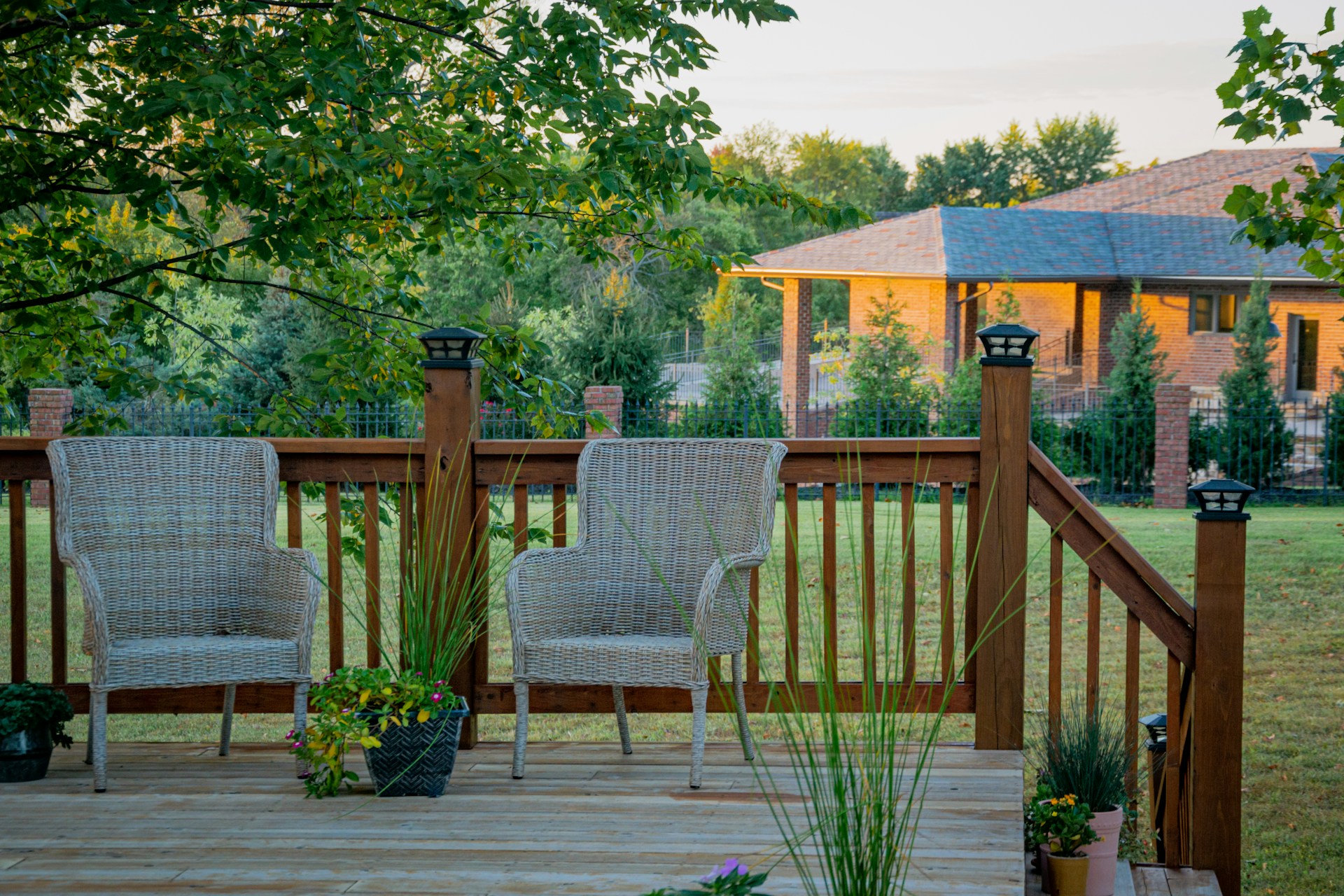
A deck is usually an elevated structure, framed with wood or composite boards. It often sits off the first or second floor and is supported by posts and footings. Decks work especially well when:
- Your yard slopes away from the house
- You have a raised first floor or second-story door
- You want to sit up higher with a view over the yard
A patio is a ground-level area built from pavers, natural stone, or concrete. It often connects right to the back door or sliders, so you can walk straight out. Patios are great when:
- Your yard is fairly flat
- You want a smooth step from inside to outside
- You want to blend hardscape with grass, beds, and trees
Homeowners often ask if footings and railings are needed. With decks, you will almost always need footings set below frost depth, and if the deck is more than a certain height off the ground, codes usually require railings and sometimes stairs and lighting rules. Patios are built on a compacted base instead of deep footings and railings are usually not needed because they sit near ground level.
On Long Island, soil and drainage matter a lot. Sandy soil near the coast drains quickly, while heavier soil inland can hold water. That affects how we design deck footings and patio bases so they do not shift or settle. Local codes also set rules for deck size, height, and how close you can build to property lines. Patios usually have fewer structural rules, but permits might still be needed depending on size and features.
With good design and professional installation, both decks and patios can last for many years. Quality framing, proper hardware, and good decking materials help a deck hold up. A well-built patio with the right base, edge restraints, and joints can also stay solid through many seasons.
Cost, Durability, and Maintenance in New York Weather
People often ask which option is cheaper. While we are not going into specific pricing, here are some general trends.
- Simple, ground-level paver patios can sometimes cost less than a raised deck of the same size
- Elevated decks can need more structure, hardware, and railings, which can raise the total project cost
- Site conditions like steep slopes, tight access, or drainage work can affect both deck and patio budgets
New York brings hot sun, coastal humidity, and freeze-thaw cycles. That mix is tough on any outdoor surface. Wood can expand, contract, and be at risk for rot if it sits wet. Composite decking handles moisture better, but still needs proper framing and spacing. Pavers and stone on a patio can shift if the base is not compacted correctly or if water is trapped under the surface.
Maintenance looks different for each.
Typical deck care includes:
- Washing the surface to remove dirt, pollen, and mildew
- Staining or sealing wood on a regular schedule
- Checking for loose fasteners and damaged boards
Typical patio care includes:
- Sweeping joints and refilling joint sand as needed
- Spot-leveling any pavers that move over time
- Cleaning stains from food, grease, or fire pit use
When patio and deck builders pay attention to proper footings, base prep, drainage, and materials that suit our coastal climate, both options hold up better and need fewer repairs later.
Design Possibilities for Outdoor Living on Long Island
How you plan to use the space should drive the design.
For entertaining, you might want:
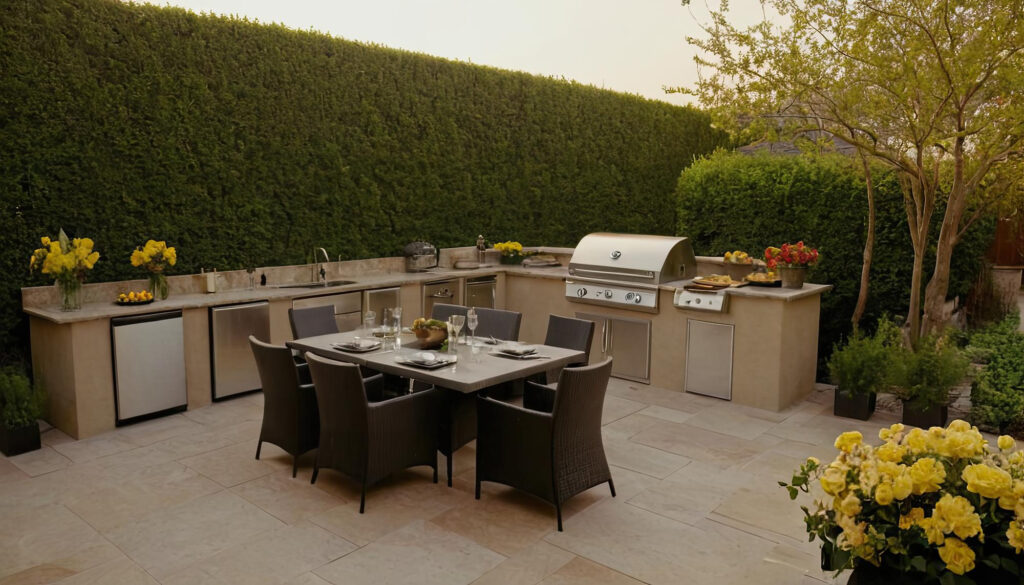
- A dining area near the kitchen door
- A lounge zone for outdoor sofas or sectionals
- Room for a grill, outdoor kitchen, or bar seating
For relaxation, think about:
- A cozy corner for a fire pit or outdoor fireplace
- Space for a hot tub with privacy screens
- Shade from a pergola, awning, or roof structure
Decks are flexible when you are working with grades and multiple house levels. We often see:
- Multi-level decks that step down a slope
- Built-in benches around the perimeter
- Rail lighting, post caps, and stair lights
- Under-deck storage or dry space below an upper deck
Patios shine when you want a natural flow into the yard. Strong patio design often includes:
- A smooth transition from interior floor height to pavers or stone
- Patterns, borders, and inlays for a custom look
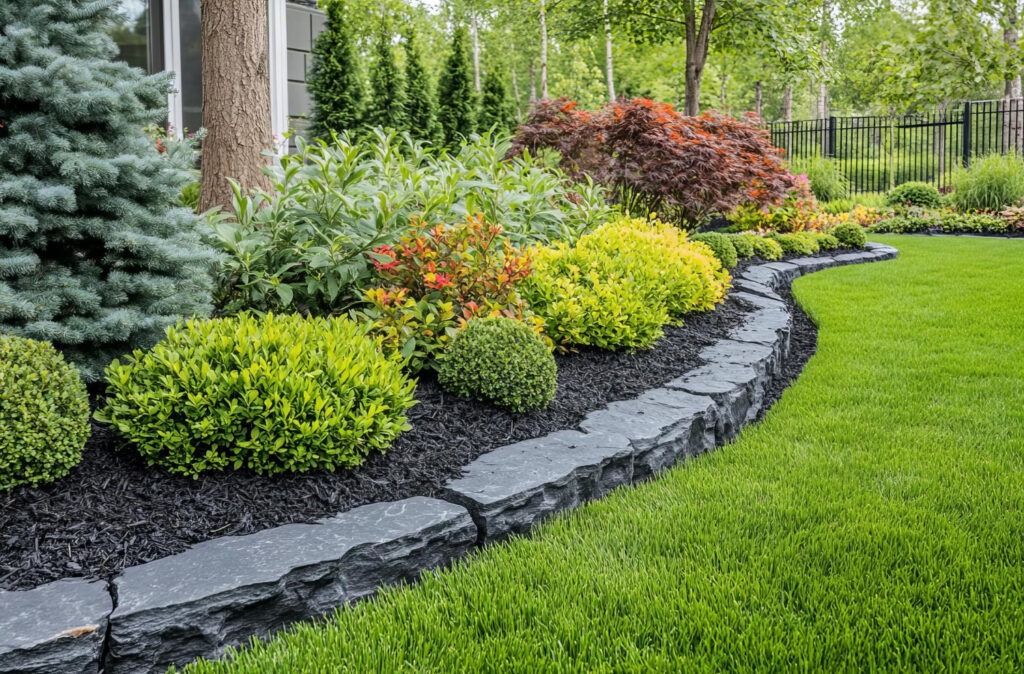
- Ties to surrounding planting beds, trees, and lawn
- Retaining walls, seat walls, outdoor fireplaces, and water features
Because we work in both masonry and landscaping, we like to blend these pieces together so your deck or patio is not just a flat platform, but part of a complete outdoor living space that suits Long Island homes and coastal light.
How to Choose What Is Right for Your Long Island Property
Start with what your property gives you. A deck often makes more sense when:
- Your yard drops off sharply from the back of the house
- Your main living level is high off the ground
- You have limited flat lawn and want usable space in the air
A patio is usually ideal when:
- You already have a walk-out basement or low back door
- Your yard is fairly level or can be graded that way
- You want a strong connection to gardens, grass, and trees
Budget and timing also matter. Think about long-term maintenance and how often you want to deal with staining or sealing versus simple cleaning and joint care. It also helps to plan ahead, so design, permits, and construction happen in time for late spring and summer gatherings.
Lifestyle and resale value play a role too. Some buyers love the elevated views and feeling of a deck. Others prefer a large, ground-level patio that ties into a pool or lawn. Matching the style of your home, whether traditional, coastal, or modern, with the right materials and layout will make the new space feel like it has always been there. Working with local patio and deck builders who know Long Island codes, soil, and weather is the best way to get a design that fits your lot and your everyday life.
FAQs About Decks and Patios for Long Island Homes
Is a deck or patio better for New York’s climate?
Both work here when they are designed and built correctly. Composite decking and quality framing stand up well on decks, while paver or stone patios built on a proper base handle freeze-thaw cycles and moisture.
Which is more affordable, a deck or a patio?
In many yards, a simple ground-level patio can be more cost-effective than an elevated deck. But if your yard is steep or your door is high, a deck can be the smarter choice because it avoids heavy excavation and retaining work.
Do I need a permit for a deck or patio on Long Island?
Decks often require permits, inspections, and sometimes engineering due to height, structure, and railings. Patios may have simpler requirements, but rules vary by town and by size and features. Local patio and deck builders can help with this process.
How long does it take to build a deck or patio?
Timelines depend on design complexity, permits, and weather. Simple projects can go faster, and larger or multi-level spaces take longer. Starting design work in late winter or early spring helps you be ready for the main outdoor season.
What materials last the longest for decks and patios?
Composite deck boards typically last longer and need less upkeep than standard wood. For patios, concrete pavers and natural stone are popular because they handle New York’s changing seasons well when installed over a proper base.
Can I combine a deck and a patio in my backyard?
Yes, many Long Island yards work best with both. A deck can sit at the back door, with steps down to a lower patio that connects to the lawn, planting, and other features for a complete outdoor living area.
Get Started With Your Project Today
Transform your outdoor space into a place you truly enjoy with Pure Masonry & Landscape Contractors guiding every step. Explore how our experienced patio and deck builders can design and build a custom solution that fits your home, lifestyle, and budget. If you are ready to talk ideas, timelines, and pricing, contact us to schedule a no-obligation consultation.